
Designing for Patient Experience: What Makes a Great Dental or Aesthetic Clinic Interior
When people choose a dental or aesthetic clinic, they're not just buying a treatment, they're placing their trust in you.
Long before a clinician begins a consultation, patients have already formed an impression. It starts online, continues as they approach your building, and is reinforced the moment they walk through your front door.
The most successful clinics understand that interior design isn't simply about creating a beautiful space. It's about designing an environment that builds confidence, reduces anxiety, reflects your brand, and supports exceptional patient care.
So, what actually makes a great dental or aesthetic clinic interior?
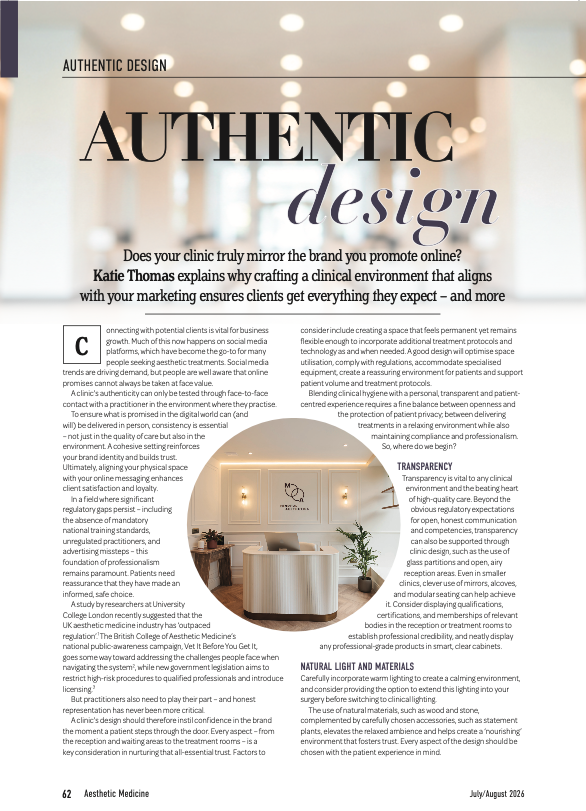
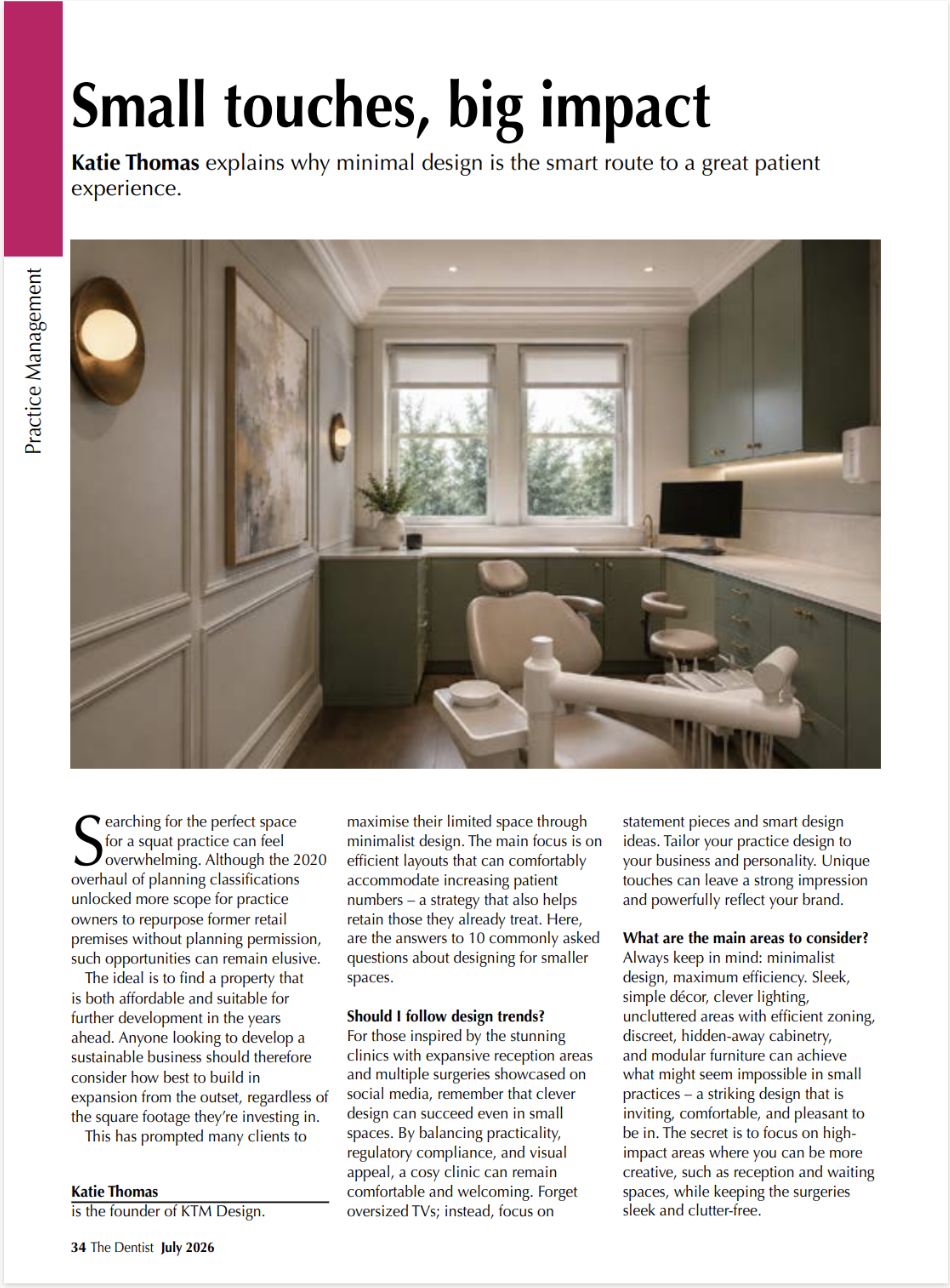
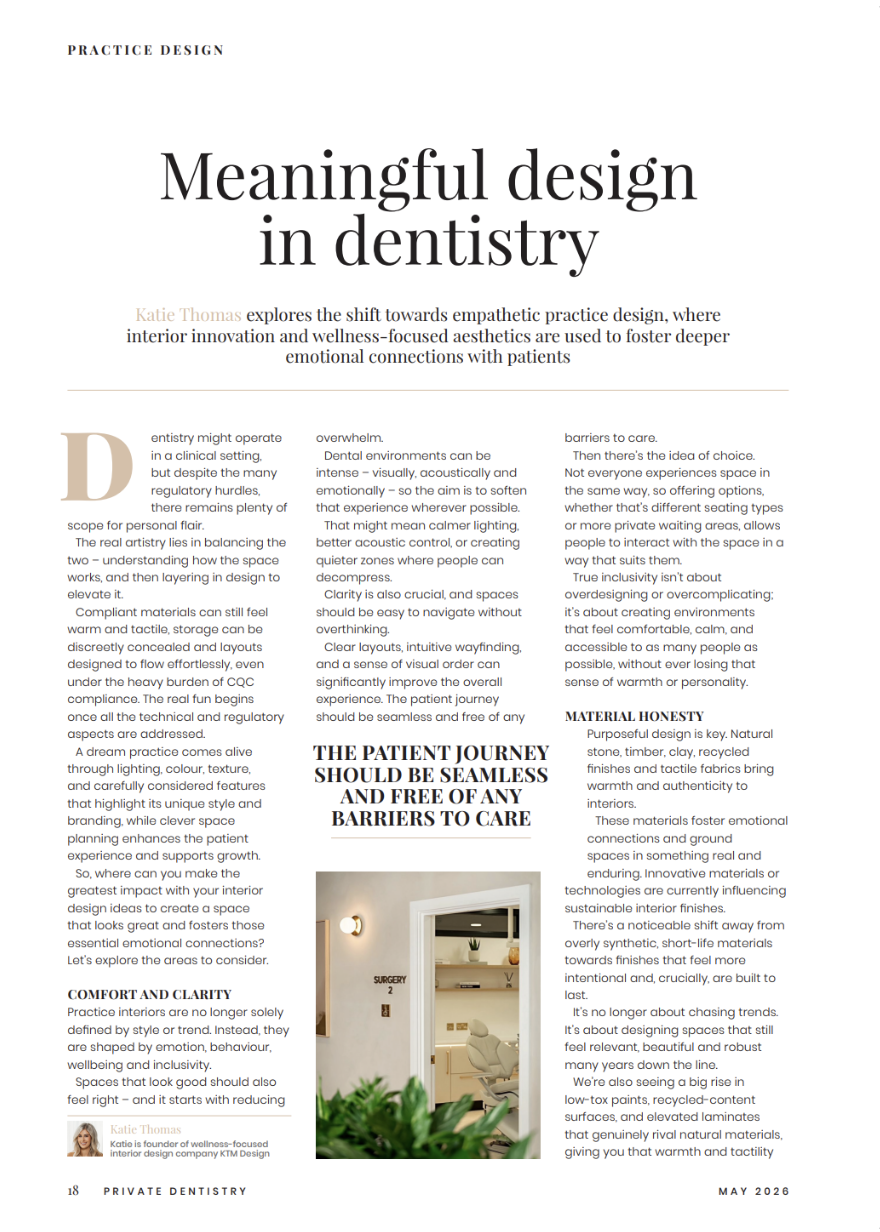
This blog brings together insights from KTM’s recent published articles on dental, aesthetic and healthcare interiors, including Authentic Design, Small Touches, Big Impact and Meaningful Design in Dentistry. Across the series, one theme is clear: a successful clinic interior is never just about how a space looks. It is about how it makes patients feel, how it supports practitioners, and how clearly it communicates trust, professionalism and brand identity.
As featured in:
Aesthetic Medicine, The Dentist and Private Dentistry
First impressions begin with trust
Patients are more informed than ever before. They research treatments, compare clinics on social media, read reviews and often arrive with high expectations.
Your interior should fulfil the promise your marketing has already made.
If your online presence communicates luxury, expertise or wellness, your physical environment should deliver exactly the same experience. Any disconnect between brand and reality can undermine confidence before treatment has even begun.
Every design decision should reinforce professionalism, consistency and authenticity—from the reception desk and signage to the lighting, furniture and consultation rooms.
The clinic itself becomes part of your brand.
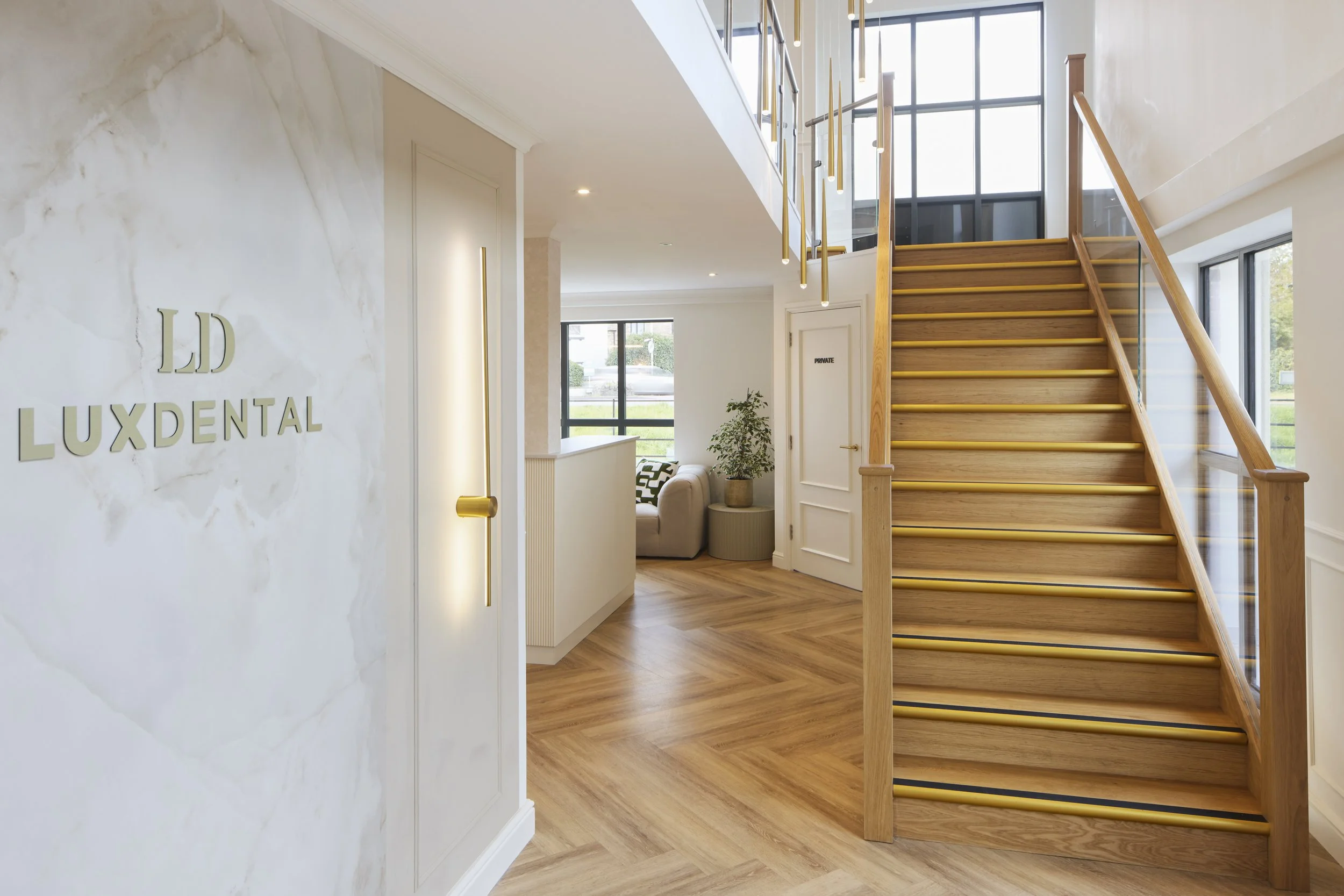
Reduce anxiety through thoughtful design
For many patients, particularly those attending dental practices, entering a clinical environment can feel intimidating. Great design helps lower stress levels before a word has been spoken.
This doesn't require extravagant interiors. Instead, it comes from carefully considered details such as warm, welcoming lighting, calming colour palettes, uncluttered spaces, intuitive layouts and acoustic control.
Together these elements create an atmosphere that feels reassuring rather than clinical. Here, the goal isn't to disguise the professionalism of the space, but to soften the emotional experience of visiting it.
The patient journey should feel effortless
Exceptional clinic design considers every step of the patient experience. Ask yourself:
Is reception easy to find?
Can patients immediately understand where they need to go?
Is there enough privacy during consultations?
Does movement through the clinic feel natural?
Are treatment rooms calm rather than overwhelming?
Simple circulation, intuitive wayfinding and clearly defined zones reduce uncertainty and help patients feel more comfortable. Even small clinics can feel spacious when layouts are carefully planned.
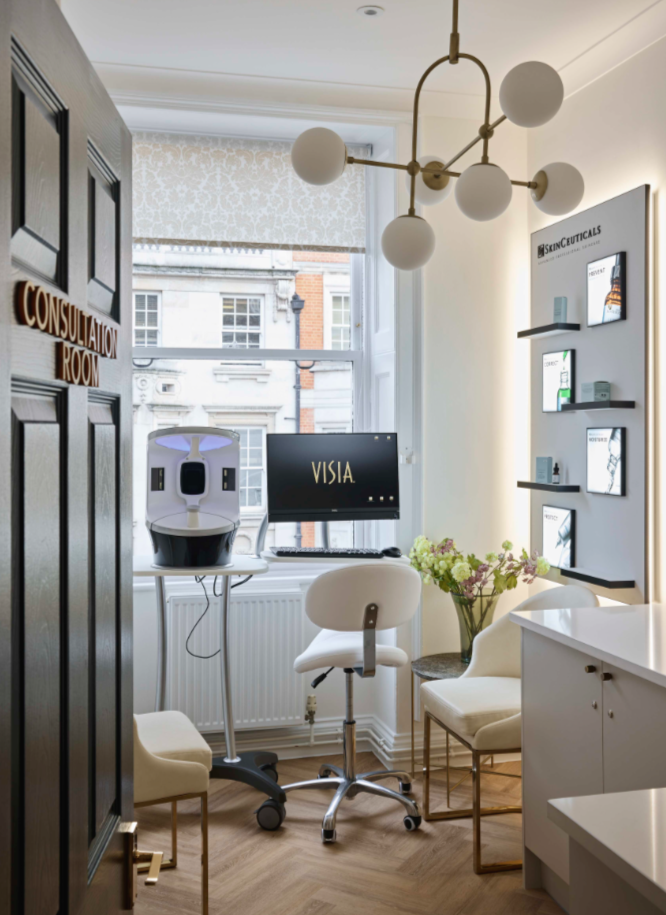
Transparency builds confidence
Modern healthcare is increasingly centred around openness and trust.
Interior design can reinforce this in subtle but powerful ways.
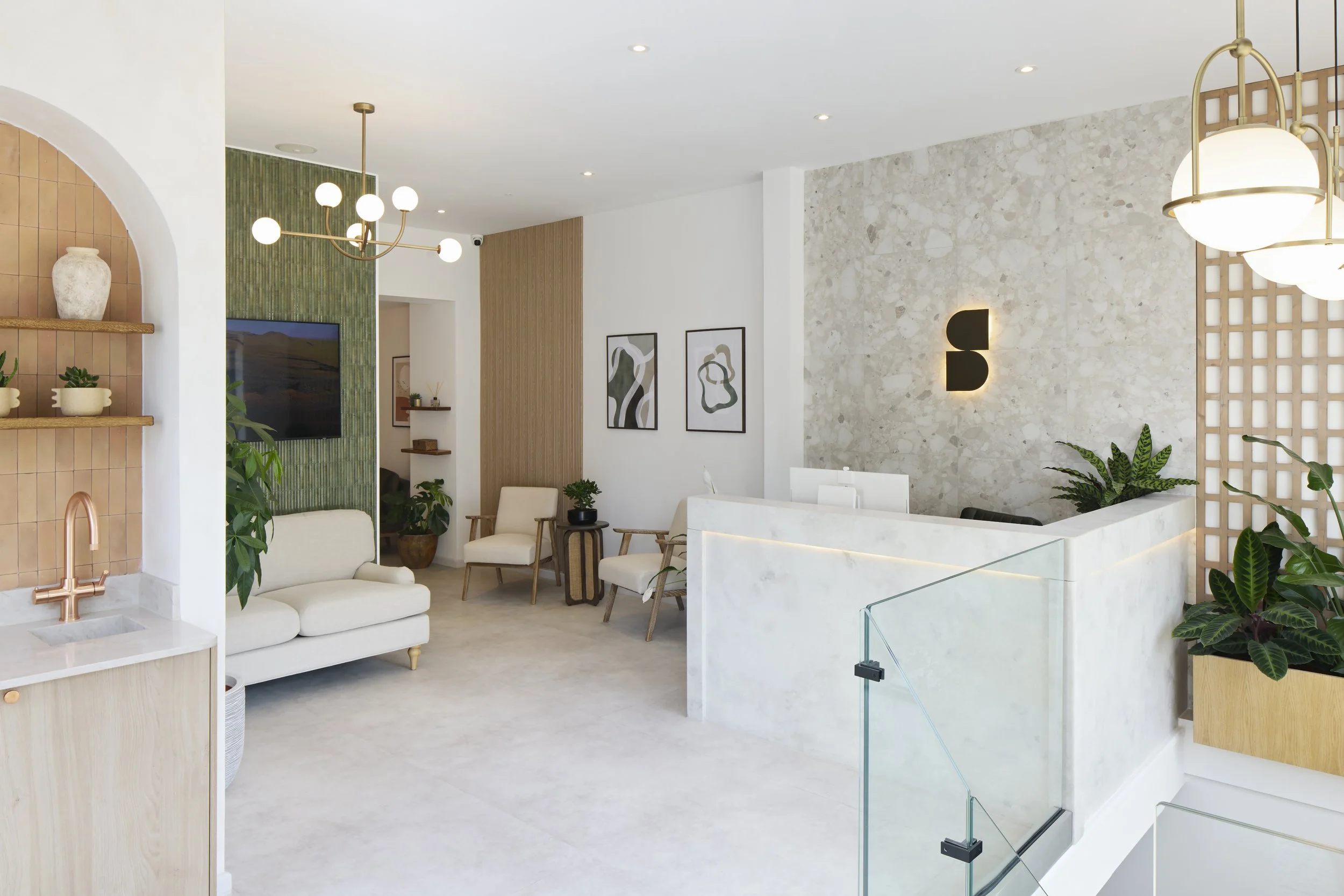
Glass partitions, open reception spaces and carefully designed sightlines create a feeling of honesty without compromising patient confidentiality.
Professional qualifications, certifications and carefully displayed treatment products also reassure patients that they are in capable hands.
Transparency isn't simply about visibility.
It's about creating an environment where patients feel informed, respected and confident in their decision to choose your practice.
Design around people, not just procedures
A successful clinic supports everyone who uses it.
While patients remain the priority, practitioners spend many hours each day working within the space.
Poor layouts create unnecessary movement, fatigue and inefficiency.
Thoughtful planning improves:
ergonomic workflows
equipment positioning
storage accessibility
treatment efficiency
staff wellbeing
long-term productivity
When clinicians can work comfortably and efficiently, patients benefit too.
Great design improves both the clinical experience and the operational performance of the practice.
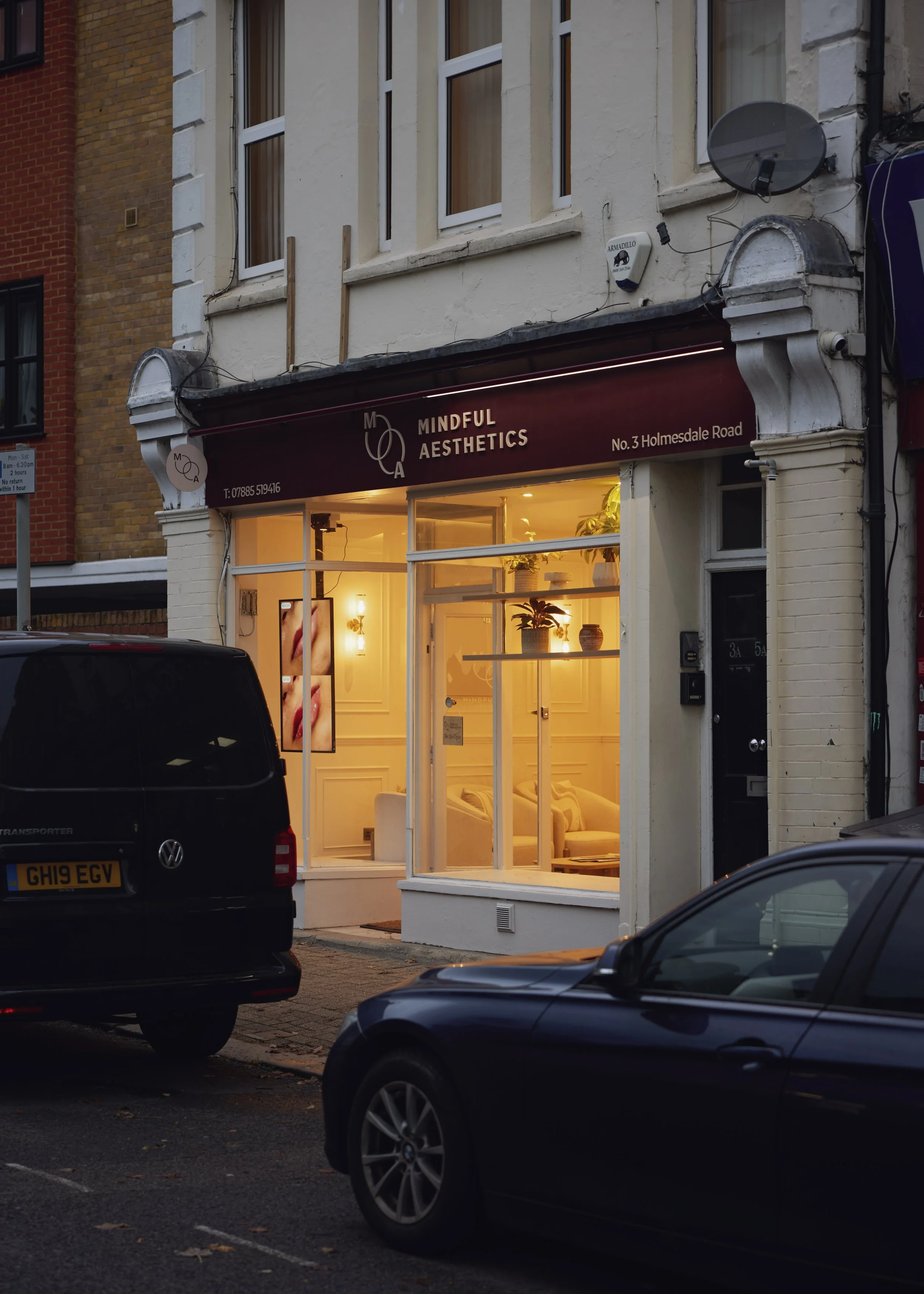
Brand identity should be woven into every detail
Many practices think branding begins and ends with a logo, but in reality, your brand should be experienced throughout the entire patient journey. Every design choice—from the colour palette and material finishes to the joinery, lighting, signage and furniture—should work together to communicate a consistent identity. When patients encounter the same values and aesthetic in your physical space that they have seen online, it builds trust and reinforces your professionalism. The strongest clinic brands don't rely on bold statements; they create a cohesive, memorable experience through thoughtful attention to detail. Whether it's bespoke reception joinery, carefully selected artwork or subtle lighting that reflects your practice's personality, every element should contribute to a space that feels authentic, welcoming and unmistakably yours.
Design for the future
Clinics evolve.
New technologies emerge, treatment protocols change and businesses grow. A well-designed practice should be flexible enough to adapt without requiring complete refurbishment every few years.
Future-proofing may include:
adaptable treatment rooms
modular cabinetry
integrated technology
flexible storage
scalable layouts
Planning ahead protects your investment while allowing your practice to continue evolving with patient expectations.
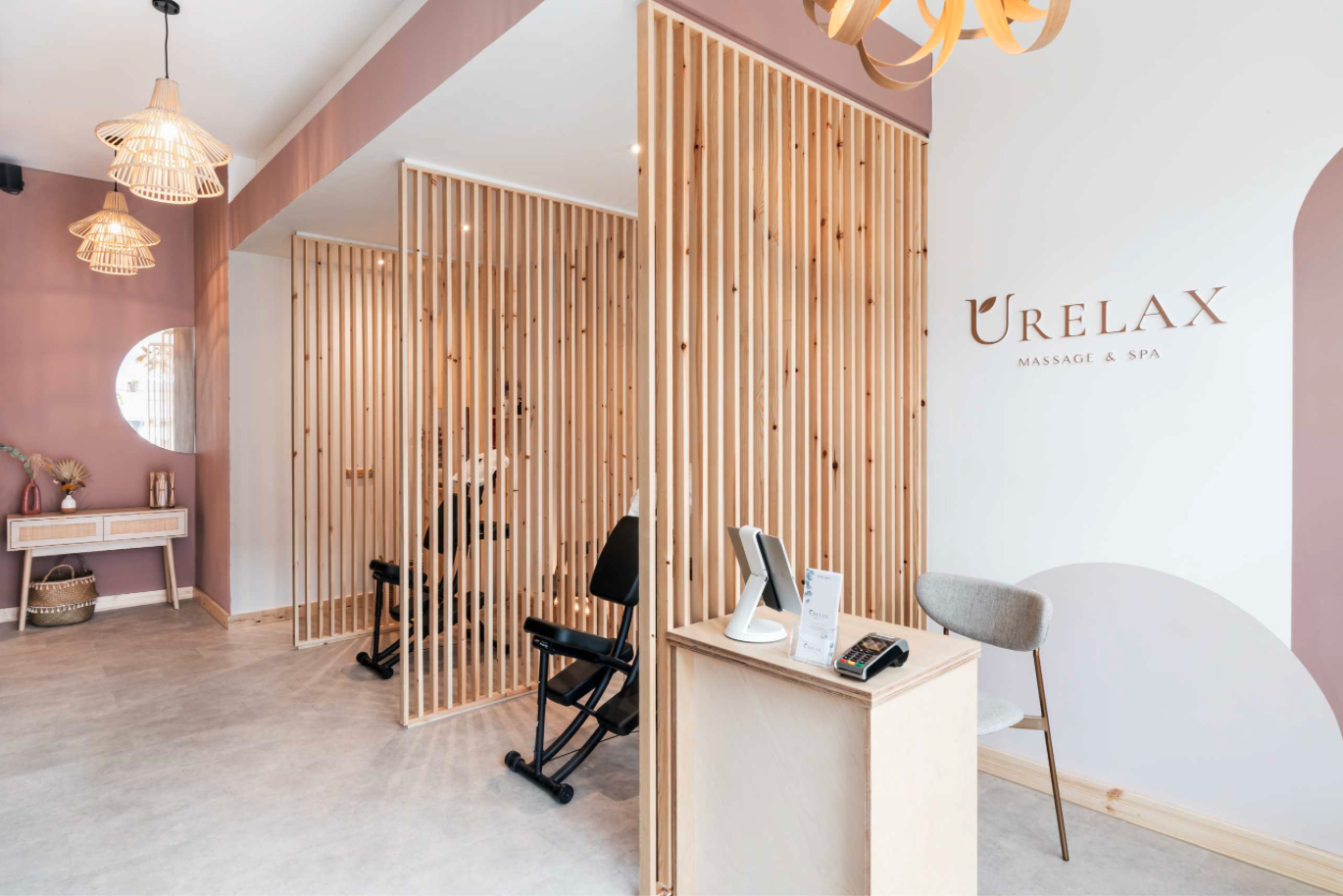
Small spaces can still create a premium experience
Bigger isn't always better. Many highly successful dental and aesthetic clinics operate from compact premises.
The difference lies in intelligent planning rather than square footage.
The use of built-in storage, concealed equipment, multifunctional furniture, carefully positioned mirrors and efficient layouts allow smaller clinics to feel calm, organised and surprisingly spacious.
Rather than competing with larger practices, boutique clinics can embrace intimacy, exclusivity and personalised service as part of their identity.hatever it is, the way you tell your story online can make all the difference.
Balance beauty with compliance
Designing a dental or aesthetic clinic means working within strict healthcare regulations, but compliance should never come at the expense of creating an exceptional patient experience. The most successful clinic interiors seamlessly integrate infection control, accessibility, patient privacy and specialist equipment into a space that feels calm, welcoming and thoughtfully designed. Rather than treating regulatory requirements as constraints, they should be viewed as the foundation of good design. By considering clinical workflows, storage, hygiene, and future flexibility from the outset, it's possible to create interiors that are both beautiful and highly functional. The result is a practice that not only meets the highest professional standards but also inspires confidence in patients and supports your team every day.
Great design is about experience
A beautiful clinic may attract attention, but a thoughtfully designed one builds trust. When every aspect of a space has been created with the patient in mind patients feel calmer, more confident and more likely to return. At the same time, clinicians benefit from an environment that supports efficient workflows, wellbeing and exceptional care.
At KTM Design, we believe great healthcare interiors should do more than look impressive. They should reflect your brand, enhance the patient experience and help your practice thrive for years to come.
Head over to our news and events pages if you’d like to read the full articles mentioned in this blog.