
Hotel Interior Design Trends: The Future of Luxury Hospitality
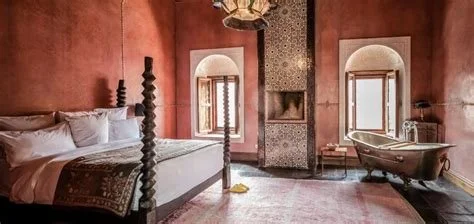
Hotel Interior Design Trends: The Future of Luxury Hospitality
Luxury hospitality has evolved rapidly in recent years. Hotel interior design is no longer just about aesthetics; it’s about creating emotionally engaging, wellness-driven, and deeply memorable guest experiences. Today’s travellers expect more than beautiful rooms. They want authenticity, sustainability, flexibility, and a genuine connection to place. From boutique riads in Marrakesh to ultra-modern wellness resorts in Tokyo, the world’s best hotels are redefining what hospitality design can be. KTM Design brings you some of the best design-led stays around the world and why they matter, just in time for the holiday season.
1. Hyper-Local Design & Authentic Storytelling
One of the biggest shifts in hospitality design is the move away from generic luxury toward more localised and authentic experiences. Guests increasingly want interiors that reflect the culture, craftsmanship, and identity of a destination, rather than spaces that feel interchangeable. Hotels are responding by incorporating regional materials, artisan-made furnishings, local textiles, and traditional architectural influences to create interiors with a stronger sense of place. This approach not only makes properties feel more distinctive and memorable, but also creates a deeper emotional connection between guests and their surroundings. At the same time, it supports local craftsmanship and celebrates the heritage and character of each destination, redefining luxury as something more meaningful, personal, and culturally rooted.
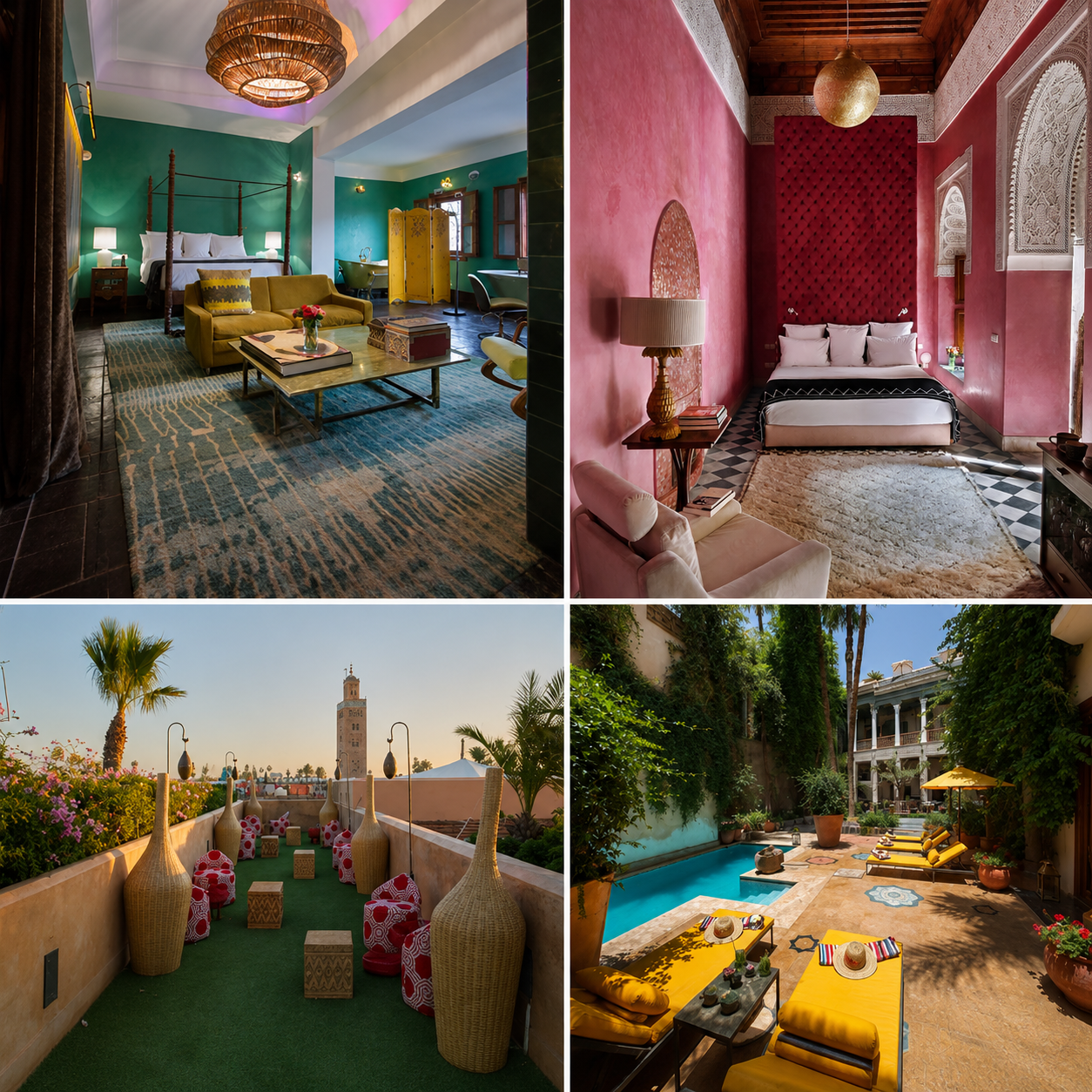
Marrakesh Medina: A Masterclass in Atmospheric Design at El Fenn, Marrakesh, Morocco
Few destinations demonstrate this better than the medinas of Marrakesh. Hidden riads combine intimate courtyards, layered textures, handcrafted zellige tiles, carved timber, tadelakt plaster, and warm ambient lighting to create spaces that feel both luxurious and deeply rooted in place. The beauty of Moroccan hotel design lies in its sensory richness. Every detail, from the scent of cedarwood to the sound of courtyard fountains, contributes to an immersive guest experience. This style is influencing hospitality interiors globally, with designers increasingly incorporating:
Earthy, tactile materials
Handmade finishes
Layered lighting
Courtyard-inspired layouts
Rich neutral palettes
Indoor-outdoor transitions
A radically different interpretation of Moroccan hospitality, El Fenn helped redefine boutique hotel design in North Africa.
Spread across interconnected riads inside the medina, the hotel combines traditional Moroccan architecture with bold contemporary art, oversized vintage furniture, vibrant colour palettes, and relaxed bohemian luxury. Rich jewel tones, layered textiles, hand-finished plaster walls, and dramatic lighting create interiors that feel both eclectic and deeply atmospheric.
What makes El Fenn particularly influential is its balance between authenticity and artistic individuality. Rather than replicating traditional Moroccan interiors in a conventional way, the hotel reinterprets them through a contemporary, design-led lens. Every space feels curated yet relaxed, with an emphasis on texture, craftsmanship, and emotional warmth.
The rooftop terraces, intimate courtyards, curated African art collection, and sensory use of colour and materiality have made El Fenn one of the most influential boutique hotels of the past two decades and a benchmark for modern riad design worldwide.
2. Wellness-Centred Hospitality Interiors
Wellness continues to dominate hospitality design, but the trend has evolved far beyond simple spa facilities. Modern hotels are now designing entire environments around physical and emotional wellbeing. Guests increasingly seek restorative experiences that support sleep, relaxation, mindfulness, and digital detox. Key wellness design features for 2026 include:
Biophilic design with integrated greenery and natural materials
Circadian lighting systems
Acoustic comfort and sound-softening materials
Spa-inspired bathrooms
Air purification systems
Natural ventilation
Quiet retreat zones
Luxury hotels are also investing in multisensory design experiences that engage sight, touch, scent, and sound to create calming atmospheres.
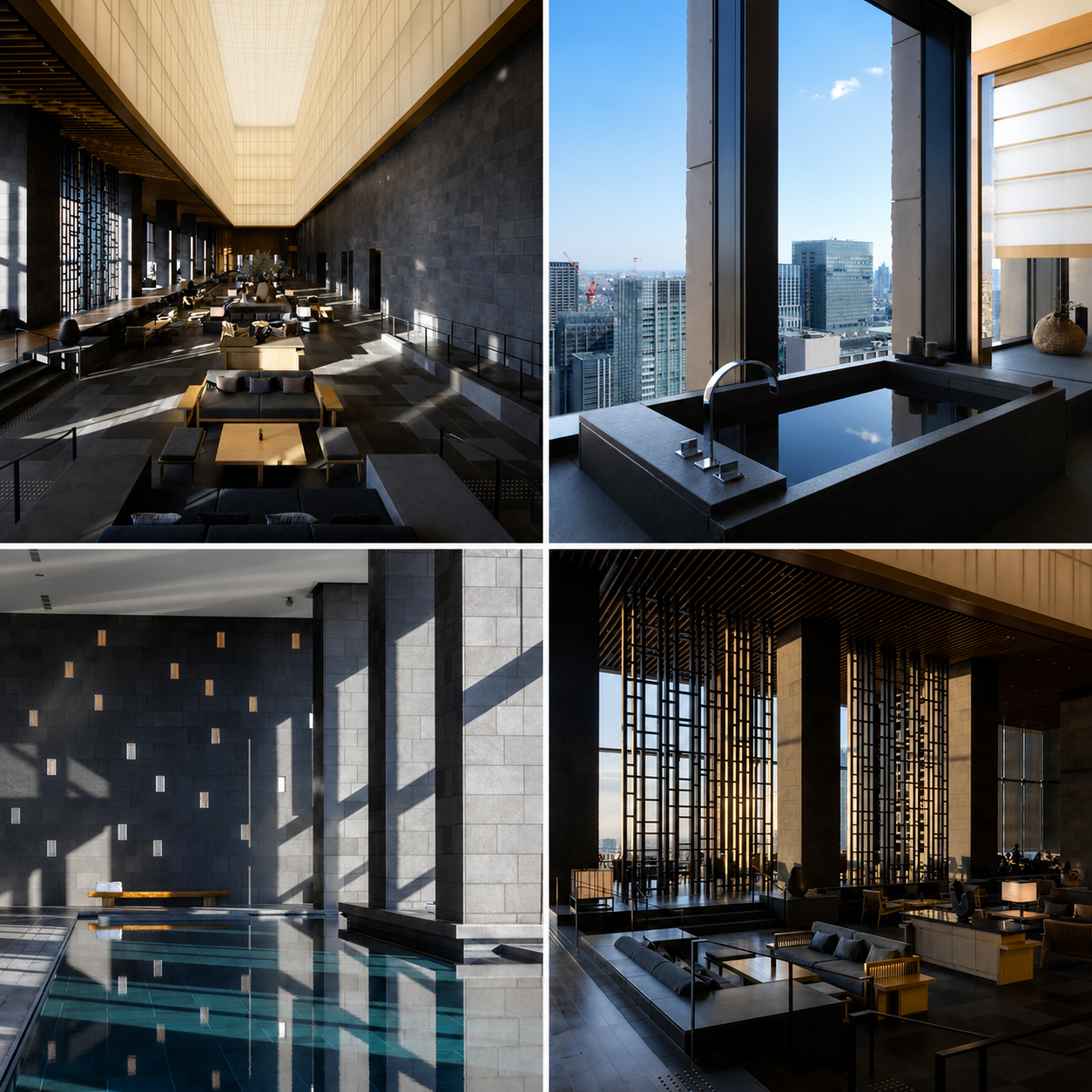
The Art of Japanese Bathing Culture: Aman Hotel, Tokyo, Japan
Aman Tokyo is widely regarded as one of the world’s leading wellness-centred hotels, with interiors designed around calm, simplicity, and sensory wellbeing. The hotel combines natural materials, soft lighting, open space, and minimalist architecture to create an atmosphere of complete tranquillity. Rather than focusing solely on spa facilities, Aman Tokyo integrates wellness into every aspect of the guest experience, redefining modern luxury through emotional comfort and restorative design.
The hotel’s wellness approach is heavily influenced by traditional Japanese design principles, such as Wabi-Sabi, Thermal Bathing culture and ritual and mindfulness. Even circulation areas, corridors, and guest rooms are designed to slow people down psychologically.
From a hospitality design standpoint, Aman Tokyo is influential because it helped redefine modern luxury away from excess and toward emotional wellbeing.
3. Sustainable Luxury As Standard
Sustainability is no longer a niche trend in hospitality, it is an expectation. Guests increasingly value spaces that feel both responsible and refined. Hotels are now prioritising:
Reclaimed timber and recycled materials
Locally sourced finishes
Energy-efficient lighting
Low-impact construction methods
Long-lasting natural materials
Water-saving bathroom systems
Importantly, sustainable design is becoming more sophisticated aesthetically. Designers are moving away from overt “eco styling” toward refined, timeless interiors that naturally embody sustainability through quality craftsmanship and thoughtful material selection.
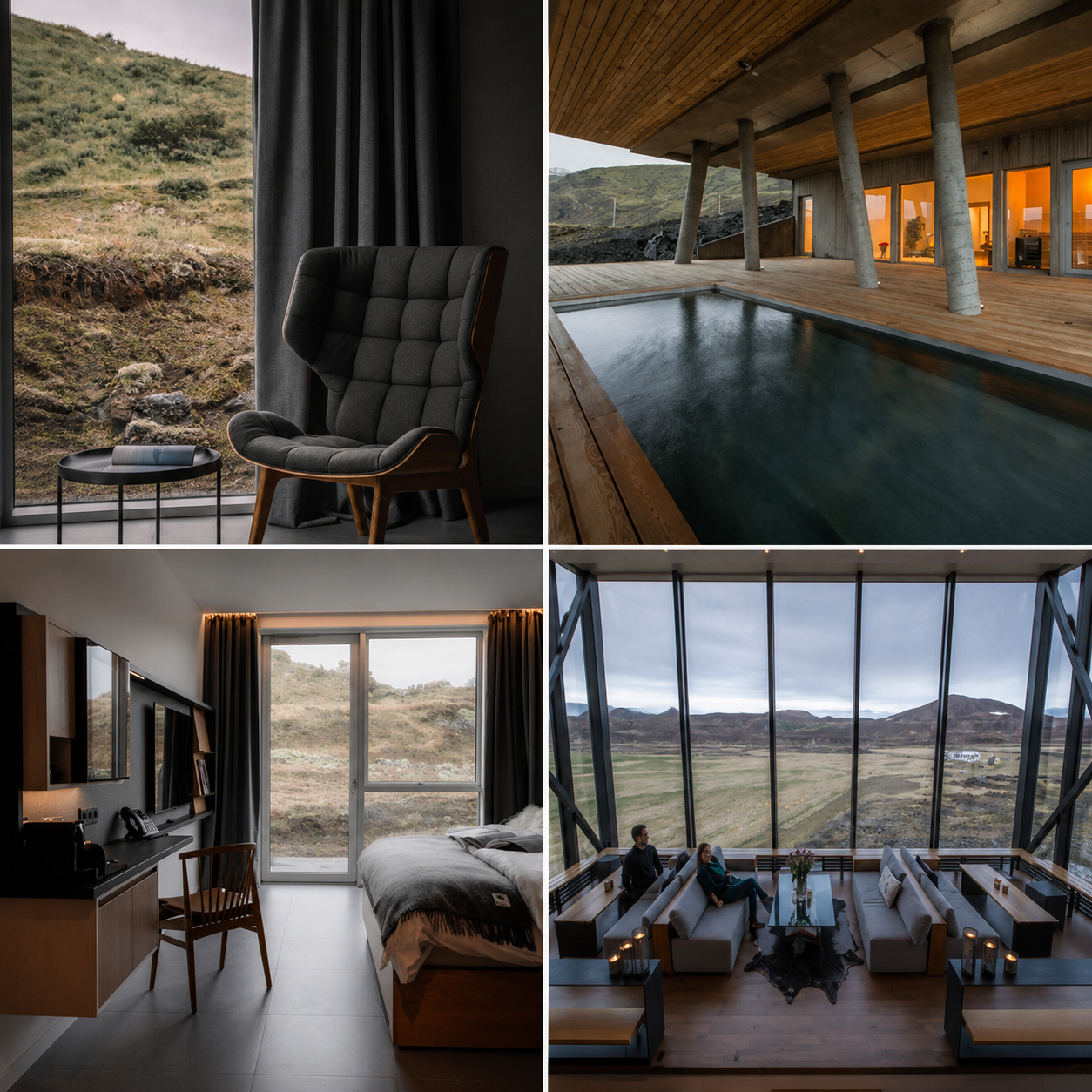
The Ultimate in Sustainable Luxury: ION Adventure Hotel, Iceland
Set against Iceland’s volcanic landscapes and lava fields, ION Adventure Hotel is one of the world’s most striking examples of architecture integrated with nature. Originally built as accommodation for workers at a nearby geothermal power plant, the property was transformed by design studio Minarc into a contemporary boutique hotel that feels both futuristic and deeply rooted in its environment.
The architecture is intentionally raw and elemental. Exposed concrete, blackened steel, reclaimed timber, lava stone, and floor-to-ceiling glazing mirror the surrounding Icelandic terrain, creating interiors that feel atmospheric, rugged, and immersive. The hotel’s dramatic cantilevered structure appears to float above the volcanic landscape, while panoramic windows frame the wilderness almost like living artworks.
ION Adventure Hotel is frequently cited as one of the world’s leading examples of sustainable boutique hospitality design because sustainability is embedded into both the architecture and the guest experience, rather than treated as a secondary feature. Built beside the Nesjavellir geothermal power station, the hotel is powered by renewable geothermal energy and was developed through the adaptive reuse of an existing industrial structure, significantly reducing the environmental impact of new construction.
The design also prioritises locally sourced and reclaimed materials, energy efficiency, low-impact construction methods, and a strong connection to the surrounding landscape. Large panoramic glazing maximises natural light while framing the volcanic scenery, reducing the need for excessive artificial intervention within the interiors.
What makes the project particularly influential is the way sustainability is expressed aesthetically. Rather than appearing overtly “eco-conscious”, the hotel feels luxurious, atmospheric, and architecturally refined. Its raw materials, restrained palette, and minimal environmental footprint work together to create a hospitality experience that feels authentic to Iceland’s dramatic natural setting.
4. Flexible Multi-Use Spaces
The boundaries between work, leisure, dining, and socialising continue to blur. As travel habits evolve, hotel interiors are becoming more adaptable and multifunctional. Hotel lobbies are no longer transitional spaces; they are social hubs, co-working lounges, event venues, and informal meeting spaces. In-room design is also changing. Guest rooms increasingly include:
Integrated workspaces
Reading corners
Wellness zones
Convertible furniture
Modular layouts
Flexibility has become central to modern hospitality design.
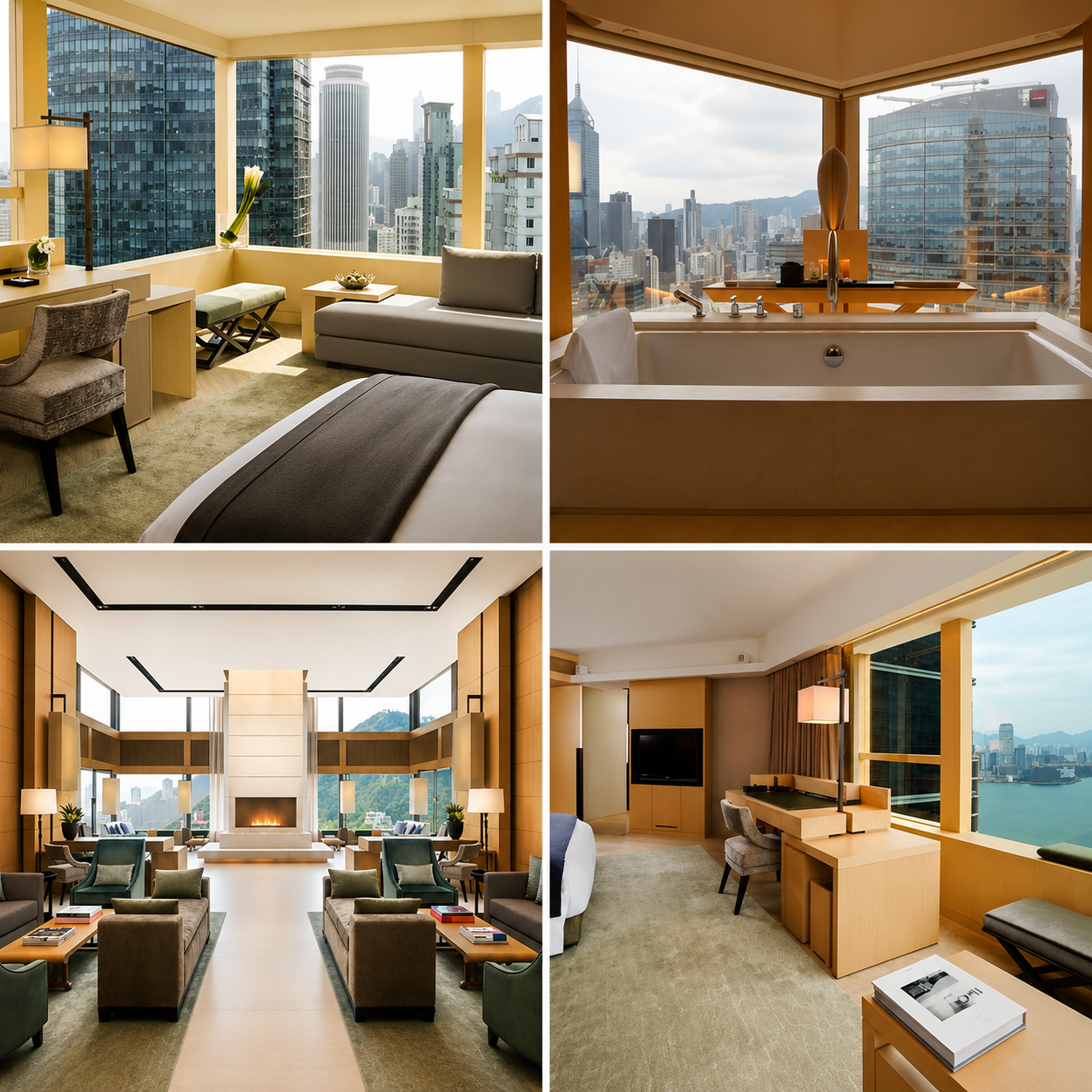
The Upper House, Hong Kong: Lifestyle-led Hotel Design
Designed by André Fu, The Upper House hotel pioneers a more residential approach to luxury hospitality, where spaces feel adaptable, calm, and intentionally multifunctional rather than formally segmented.
The guest rooms are particularly influential because they integrate generous workspaces, lounge seating areas, reading corners, soft residential lighting, and open-plan bathroom concepts. Rather than feeling like traditional hotel rooms, they function more like private urban apartments designed for modern living and longer stays.
The public spaces follow the same philosophy. The lounges and reception areas blur the line between hotel lobby, co-working environment, and private members’ club. Guests can work, relax, meet, dine, or socialise comfortably within the same spaces without the interiors ever feeling corporate.
This flexibility has become hugely influential in contemporary hospitality design in bustling cities across the world. It also helped shape the rise of hybrid luxury spaces that cater equally to leisure travellers, remote workers, and business guests alike.
5. Sensory Design & Emotional Luxury
The ongoing trend of emotional and experiential design has affected how hotels present their interiors. Hotel designers are now increasingly focused on how spaces feel, not just how they look. This shift has led to a rise in sensory design, where texture, lighting, scent, acoustics, and temperature are carefully curated to create memorable atmospheres. We are seeing increased use of:
Layered textures and handcrafted surfaces
Statement lighting
Rich earthy tones
Curved architectural forms
Soft acoustics
Fragrance-led guest experiences
The result is a move away from cold minimalism toward interiors that feel warm, human, and emotionally engaging.
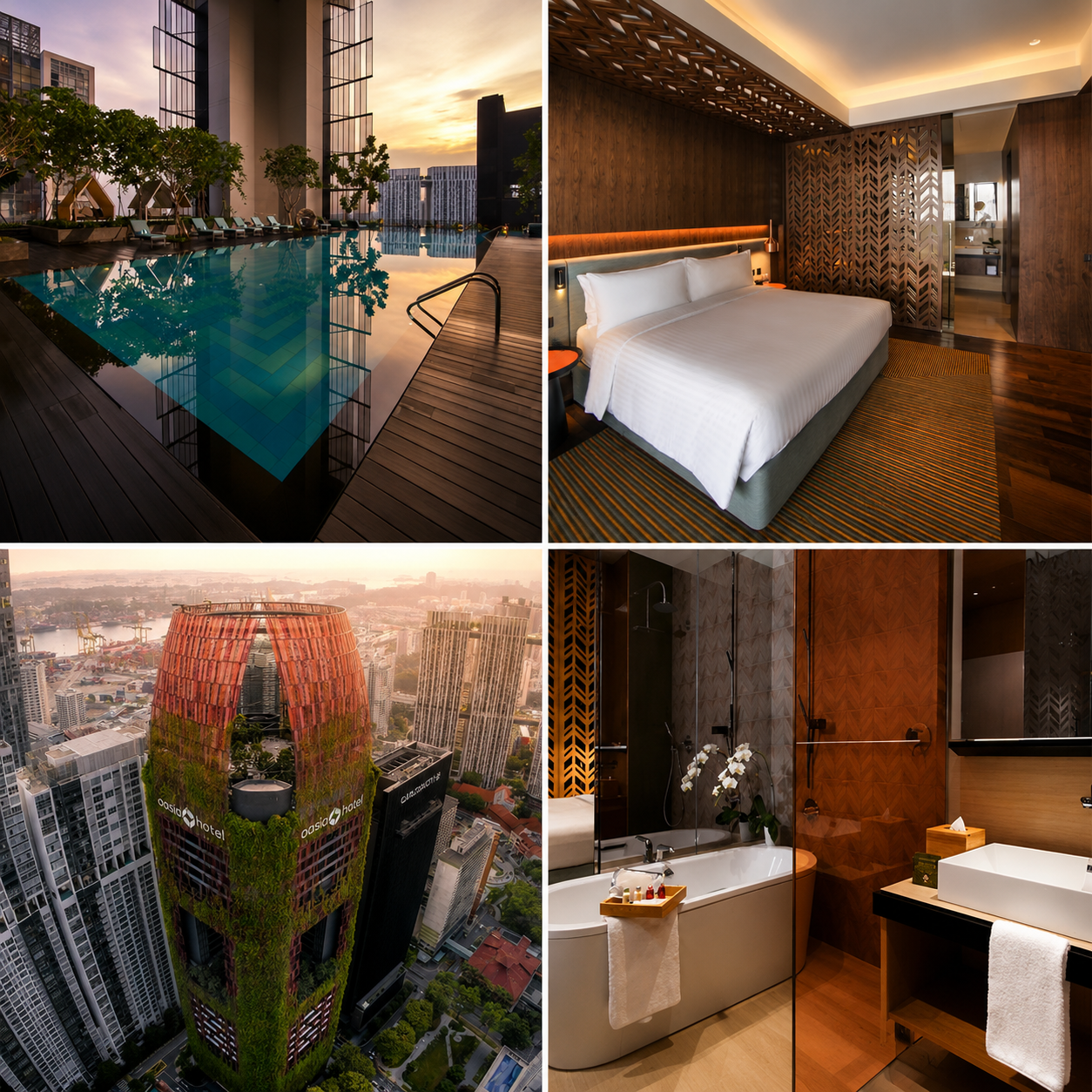
Oasia Hotel Downtown, Singapore
Oasia Hotel Downtown is one of the most compelling examples of sensory-led hospitality design, demonstrating how architecture and interiors can actively shape emotional well-being. Rather than relying on traditional luxury cues such as opulence or excess, the hotel creates atmosphere through nature, openness, texture, light, and spatial calm.
Designed by WOHA, the building is wrapped in over 20 species of climbing plants and lush tropical greenery, transforming the tower into a vertical garden within the dense urban environment of Singapore. This immersive connection to nature immediately changes the sensory experience of the hotel, softening noise, filtering light, improving airflow, and creating a feeling of retreat within the city.
The design carefully engages multiple senses simultaneously. Open-air sky terraces allow guests to feel natural breezes and humidity, while filtered daylight and dense planting create constantly changing patterns of shadow and texture throughout the building. The combination of natural ventilation, greenery, water, and soft acoustics produces an atmosphere that feels restorative and emotionally calming.
Internally, the hotel avoids overly polished luxury in favour of warm minimalism and tactile materiality. Rich reds, natural timber, textured surfaces, soft lighting, and intimate communal spaces create a more human and emotionally engaging hospitality experience. The transition between indoor and outdoor spaces is intentionally fluid, encouraging guests to feel connected to the environment rather than isolated from it.
What makes Oasia particularly influential is its ability to redefine emotional luxury. The hotel demonstrates that contemporary luxury hospitality is increasingly about wellbeing, atmosphere, and sensory comfort rather than visual extravagance alone. It is a powerful example of how biophilic design can create hotels that not only look beautiful, but genuinely improve how guests feel within the space.
Is Boutique Best? The shift away from Corporate Hospitality
Boutique hotels are some of the most influential spaces in hospitality design because they prioritise individuality, storytelling, and emotional connection over formulaic luxury.
They have answered the call that saw a major shift in guest expectations: Luxury now needs to be more personal, more sensory, and more meaningful. Properties across Europe, North Africa, and Asia are leading the way with immersive interiors that feel curated and distinctive. From restored riads in Marrakesh to contemporary Japanese wellness retreats and Mediterranean hideaways, boutique hospitality design is increasingly shaping the future of luxury travel.
At KTM Design, we believe the future of hospitality lies in creating spaces that guests truly remember. Interiors should tell stories, inspire calm, and capture the spirit of a destination.
Whether inspired by the timeless textures of the Marrakesh medina or the clean sophistication of contemporary wellness resorts, the next generation of hotel interiors is about creating experiences that feel both elevated and deeply human.