
Nature by Design: How Biophilic Principles Transform Every Interior

Nature by Design: How Biophilic Principles Transform Every Interior
According to the Journal of Biophilic Design, Biophilic design is “the intentional integration of nature and natural patterns into buildings and spaces to improve human health, wellbeing, and creativity”. This may sound like a very pompous way of suggesting we add a houseplant or two to our interiors, but the science behind biophilic principles is grounded in both environmental psychology and neuroscience. So why should you consider applying biophilia to your spaces, how easy is it to achieve, and what benefits will you gain from doing so?
This article will shed light on the key principles and applications and will hopefully inspire you to add some natural elements to your spaces.
Where does the term Biophilia come from?
The biophilia hypothesis suggests that humans possess an innate tendency to seek connections with nature and other forms of life. Erich Fromm first used the term to describe a psychological orientation for being attracted to all that is alive and vital. The deep connections humans have with other life forms and nature as a whole are rooted in our biology.
Since the Industrial Revolution, humans have become less and less rooted in the outside world, opting instead for hours spent indoors in offices, schools, and homes. As urban life has taken hold, the distance from our inherent biological connection to nature has increased significantly.
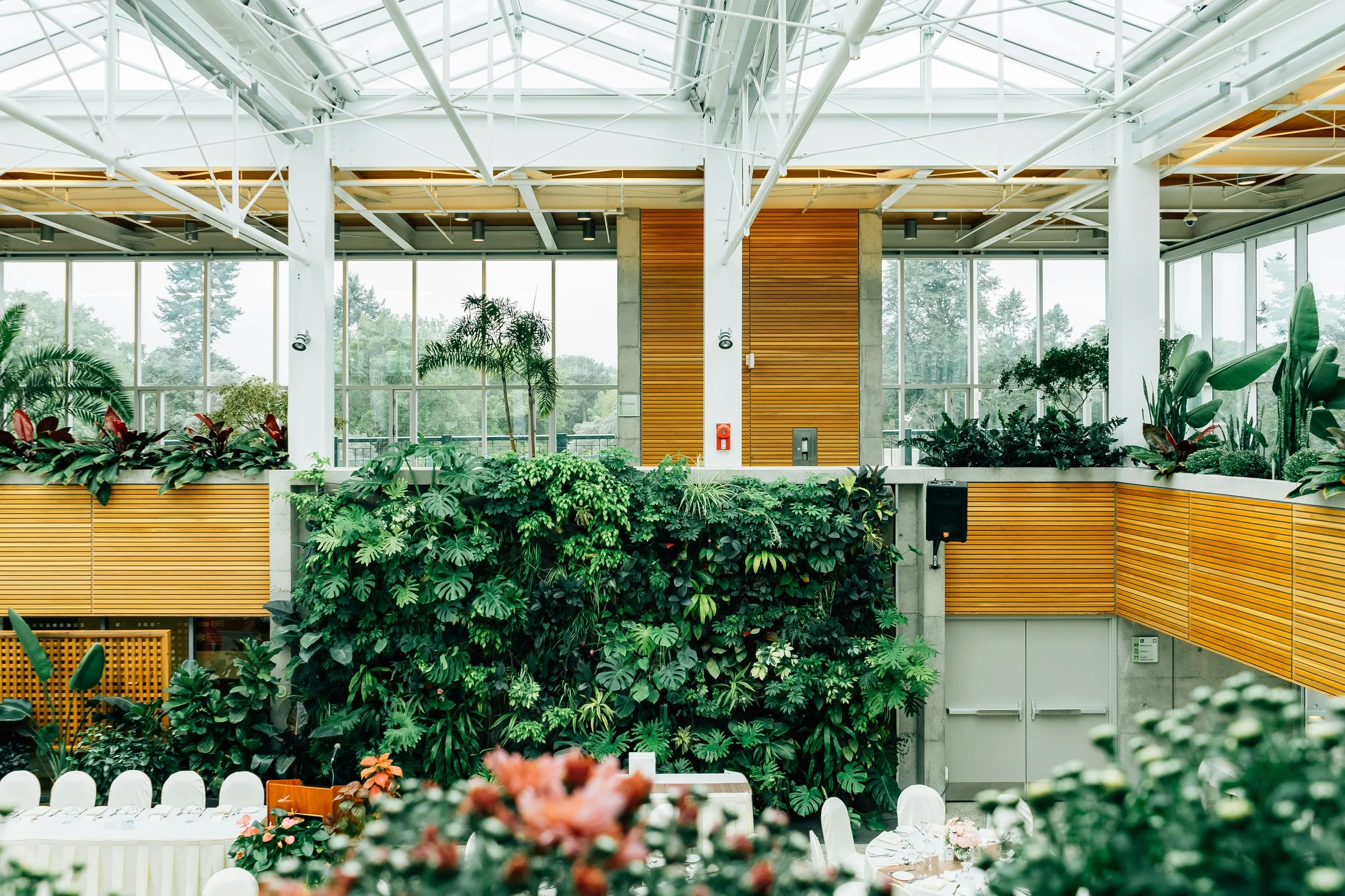
Key Benefits of Biophilic Design
Scientists and psychologists have identified the benefits of living with nature:
Stress reduction – views of plants, water and natural light can lower anxiety and cortisol levels
Boosts productivity and creativity – spaces inspired by nature can enhance focus and innovation
Supports physical health – fresh air, daylight and natural materials can lower blood pressure and heart rate, decrease chronic pain and fatigue, and improve cognitive function
Enhances mood – people can feel calmer and more connected in natural environments, which can lead to a decrease in aggression and sadness
Reduces energy use and helps reduce climate change – the use of natural materials, “daylighting” and the introduction of plants and vegetation to a space can help reduce energy consumption and carbon emissions
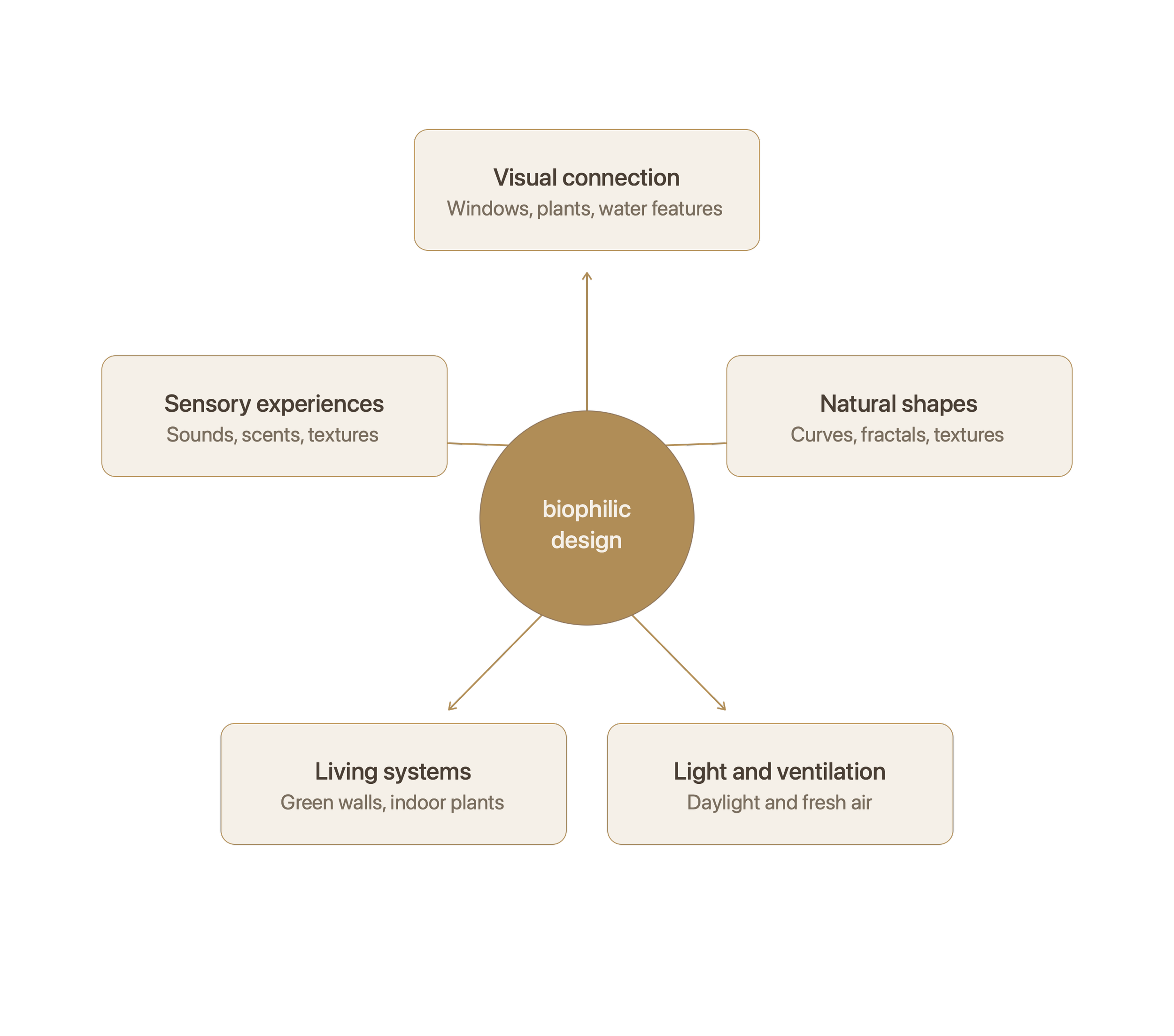
Common Biophilic Design Elements
Biophilic design brings the outdoors in through a handful of thoughtful strategies. A strong visual connection to nature, whether through large windows, indoor plants, murals, or the gentle presence of water, helps ground a space and create a genuine sense of calm. This pairs naturally with organic shapes and patterns, like soft curves and textures that echo the forms we find outdoors, making interiors feel warmer and less rigid. Sensory details matter just as much: the sound of running water, the scent of fresh greenery, or the feel of natural materials like wood and stone all add depth that goes beyond what the eye takes in.
Light, air, and living elements bring the approach full circle. Maximising daylight and fresh airflow keep a space feeling open and inviting, while green walls, potted plants, and easy access to the outdoors weave nature into everyday living. Together, these elements create homes and interiors that don't just look beautiful, but genuinely support wellbeing, a philosophy at the heart of KTM Design's approach to every space.
Applying these principles to Interior Design
So, how can you apply biophilic design to interiors? Whether it’s at home, in the workplace or in healthcare settings, biophilic principles can be utilised to support wellbeing and elevate a design beyond aesthetics.
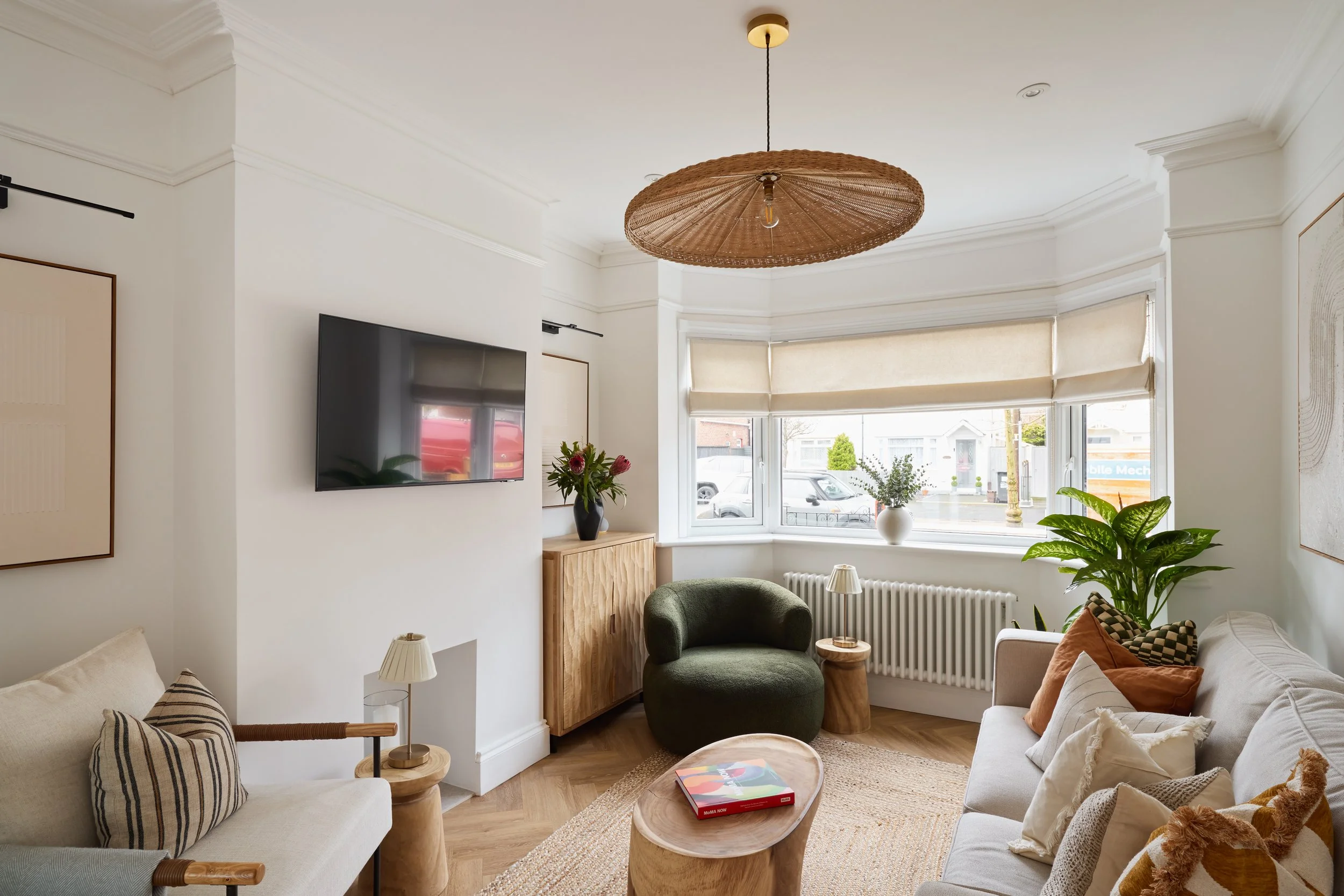
Homes: houseplants, natural materials, daylight-optimised rooms
The home is where biophilic design can be most personal and immersive. A living wall in a kitchen or living area does more than purify air, it becomes a focal point that shifts with the seasons, bringing a sense of life into everyday routines.
Pairing this with natural materials like timber, stone, rattan, and linen grounds a space in tactile warmth, softening the hard edges of modern living.
Daylight-optimised rooms, achieved through larger windows, skylights, or reflective surfaces that bounce light deeper into a floor plan, help regulate circadian rhythms and make interiors feel more alive throughout the day.
Together, these elements turn a house into a space that breathes with its occupants.
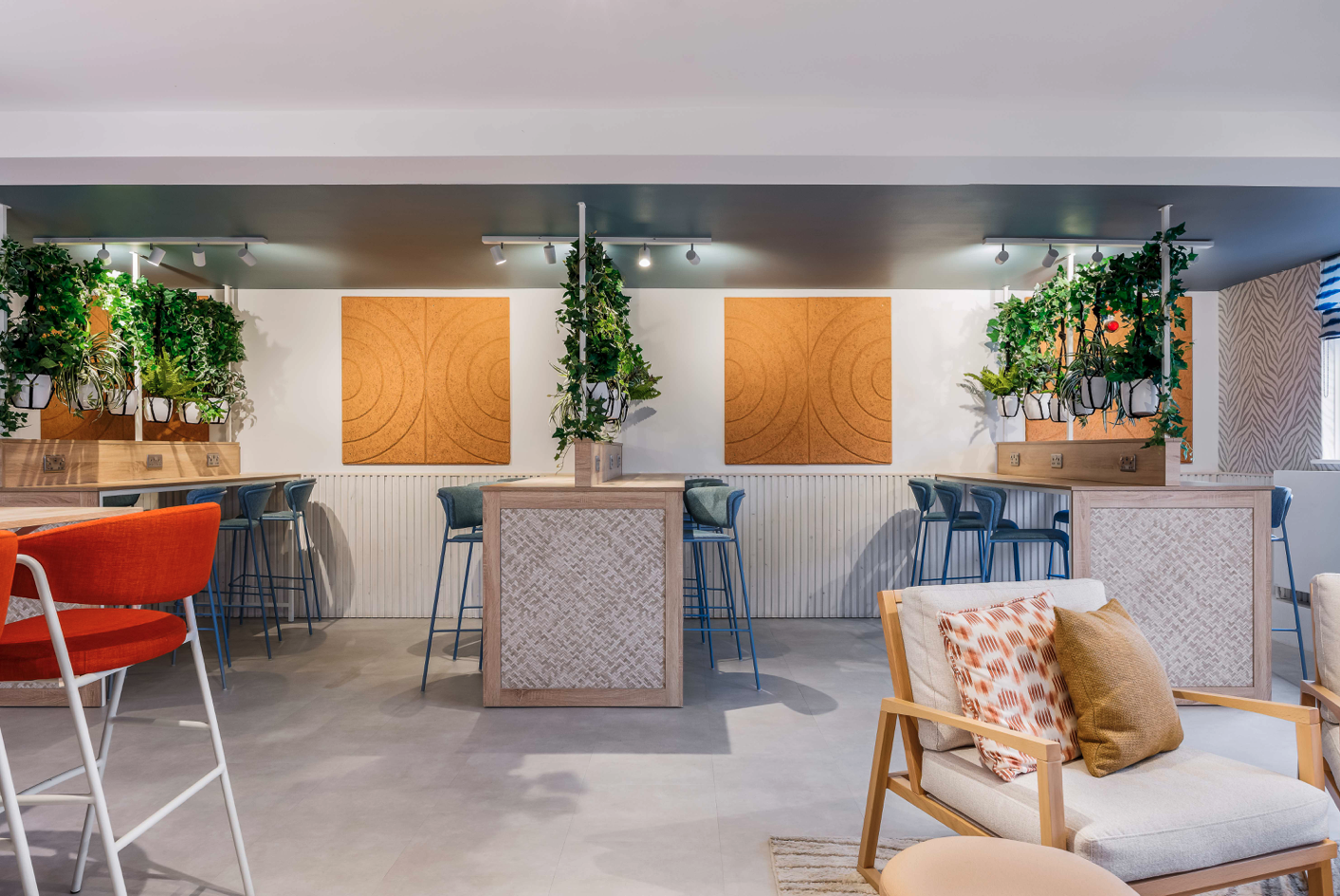
Workplaces: Nature-inspired layouts and outdoor spaces
In offices, biophilic design is increasingly recognised as a driver of wellbeing and productivity, not just aesthetics.
Nature-inspired layouts often borrow patterns from the natural world. These could be organic curves instead of rigid grids, clustered "habitats" for collaboration rather than uniform rows of desks, and sightlines that draw the eye toward greenery or views.
Access to outdoor spaces, whether a rooftop terrace, courtyard, or simply a balcony with seating, gives employees somewhere to reset during the day. Even smaller interventions, like potted greenery along circulation routes or a green wall near a breakout area, can meaningfully reduce stress and support focus in a workplace setting.
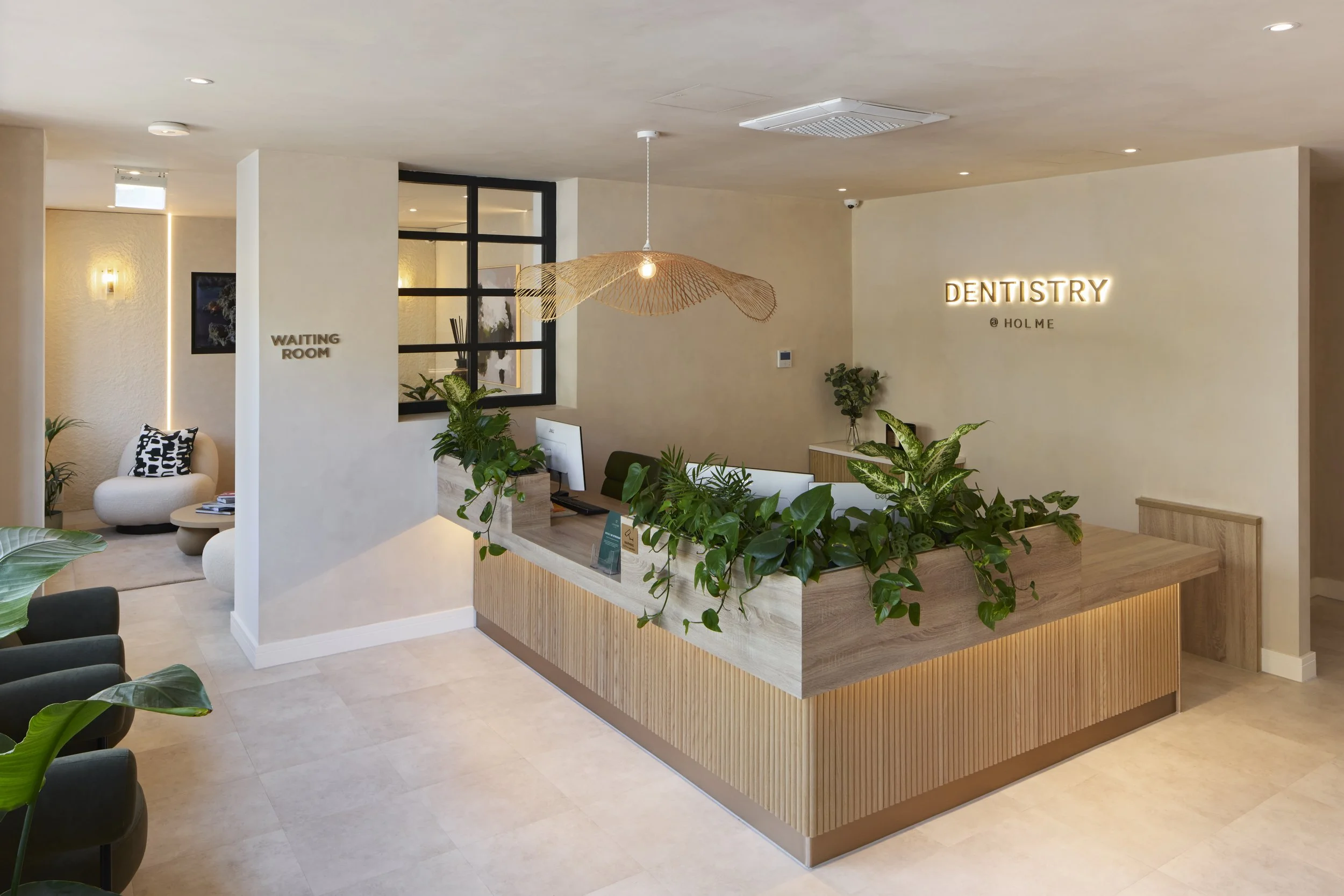
Healthcare: Healing gardens, patient rooms with natural views
Healthcare environments are where biophilic design carries some of the strongest evidence behind it. Healing gardens - quiet, planted outdoor spaces attached to hospitals or care facilities - offer patients, families, and staff a place to decompress away from clinical surroundings.
Within patient rooms, orienting beds toward windows with natural views, rather than blank walls or car parks, has been linked to faster recovery times and reduced reliance on pain medication.
Bringing in natural materials, filtered daylight, and views of greenery wherever possible helps counteract the sterility often associated with medical spaces, making healing environments feel more humane.
Biophilic Design for every space and budget
Biophilic design isn't reserved for sprawling spaces with floor-to-ceiling windows and dedicated indoor gardens; its core principles can be scaled to fit any space, residential or commercial, and any budget.
In a small flat, that might mean a single well-placed potted plant on a windowsill, furniture in a natural wood finish, or swapping synthetic textiles for linen and jute. In an office or retail setting, the same thinking applies: a living wall or cluster of desk plants, exposed timber or stone finishes at reception, and layouts that draw on natural light rather than fight it can transform a purely functional space into one that feels calmer and more human.
On a tighter budget, even simple choices like maximising daylight with sheer curtains or blinds, introducing a nature-inspired palette of soft greens and earthy tones, or hanging botanical prints and artwork can evoke that same connection to the outdoors, whether it's a studio flat or a small office. What matters most isn't the scale of the intervention but the intention behind it: bringing natural materials, light, greenery, and organic shapes into a space, however modestly, helps create the calming, restorative feel biophilic design is known for, in a home or a workplace alike.
At KTM Design, we go beyond decoration. We create purposeful, strategic interiors rooted in architectural expertise. Our team of Interior Architects and Designers is trained to at least bachelor’s or master’s degree level - ensuring every project is backed by deep technical knowledge and creative insight.
We don’t just enhance the look of a space. We expertly plan and design the entire interior layout to support your goals and future growth.