
Dining Out on Success: How Good Hospitality Design Can Drive Revenue

Hospitality design has long been a driver for footfall amongst the higher end market (think luxury hotels), but there has been a shift in recent years towards more impactful design across the board, with everyone from street food units to pubs and restaurants placing more emphasis on how their spaces look and the potential impact that could have on their revenue.
A study from the US in 2024 suggested that customers spend up to 23% more time in well-designed spaces, attractive interiors can boost food sales by 15–20%, and 72% of diners say ambiance is just as important as food quality.
Increasingly, hospitality groups are employing a brand-centric approach to their spaces, with distinctive looks that make people want to linger longer, buy that extra cocktail, and return again and again. Whatever the style of restaurant, the intention is the same: To craft a space that genuinely connects with your guests and brings your brand's identity to life.
As interior designers with proven commercial experience, we understand how décor can influence how customers perceive a brand, whether they return, and how much they're willing to spend. So, what are the key points to bear in mind when designing a bar or restaurant in 2026?
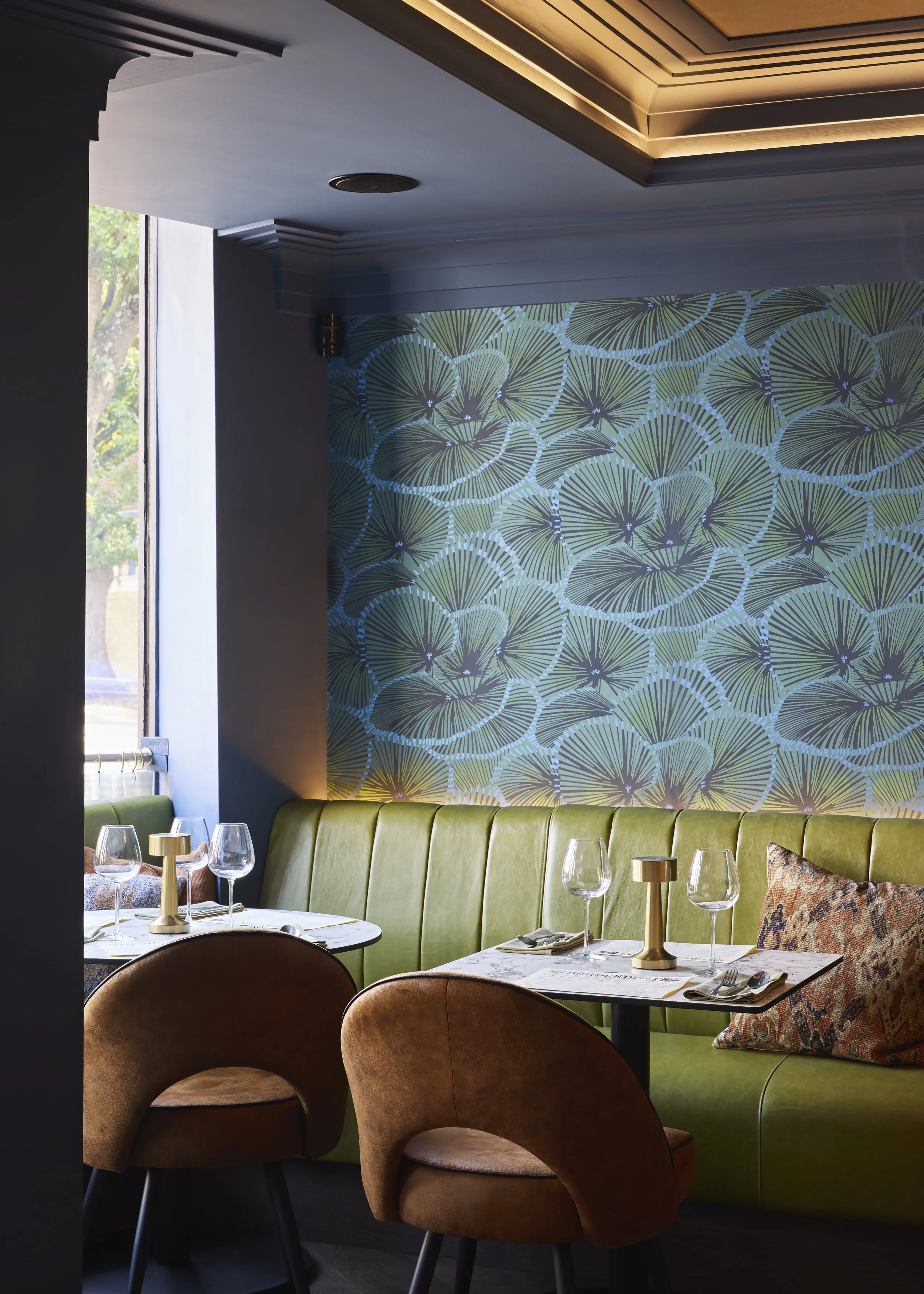
Layout is more than operational efficiency, but it's a good start.
A thoughtfully designed floor plan can reduce server steps by up to 30% while creating natural pathways for guests to move effortlessly through the space. This not only directly impacts staff efficiency, but also enhances customer experience. Think about maximising the number of covers without compromising the flow: a crowded interior isn’t conducive to relaxation and you’ll find people will want to get in an out as quickly as possible. If you are designing a fast food establishment, however, this might work in your favour, but remember flow should always favour the customer experience in this instance.
Illuminating style: Lighting specifically
Lighting is now considered a defining design element rather than a background feature. A well-designed lighting plan shapes mood, directs movement, and enhances food presentation. Martin Brudnizki, the designer behind The Ivy's redesign, understands the importance of a robust lighting plan: "Lighting is arguably the most important part of a restaurant interior... it sets the mood and dictates the diners' experience." [Sip The Style]
The introduction of smart technology has prompted many UK restaurants to invest in programmable systems that shift ambiance throughout the day (brighter at breakfast, softer at dinner). This is a clever way of creating a curated experience for each time slot and ultimately extends the usable business hours of a venue, thus extending the opportunity to make sales.
Raising the bar with statement design areas
Some design choices don't just look good, they stick in people's minds long after they've left. Selfie booths, oversized artwork, and statement bars create those memorable, shareable moments that keep a venue living rent-free in its customers' heads.
The bar, in particular, is one of the most powerful design tools in any hospitality space. More than just a place to order drinks, it acts as a natural focal point which draws people in, offering somewhere to perch while waiting for a table, and providing a stage for the theatre of cocktail-making and beautifully displayed bottles. Get it right with statement shelving, dramatic backlighting, and luxurious finishes, and the bar becomes a social anchor in its own right; one that drives revenue from drinkers and diners alike.
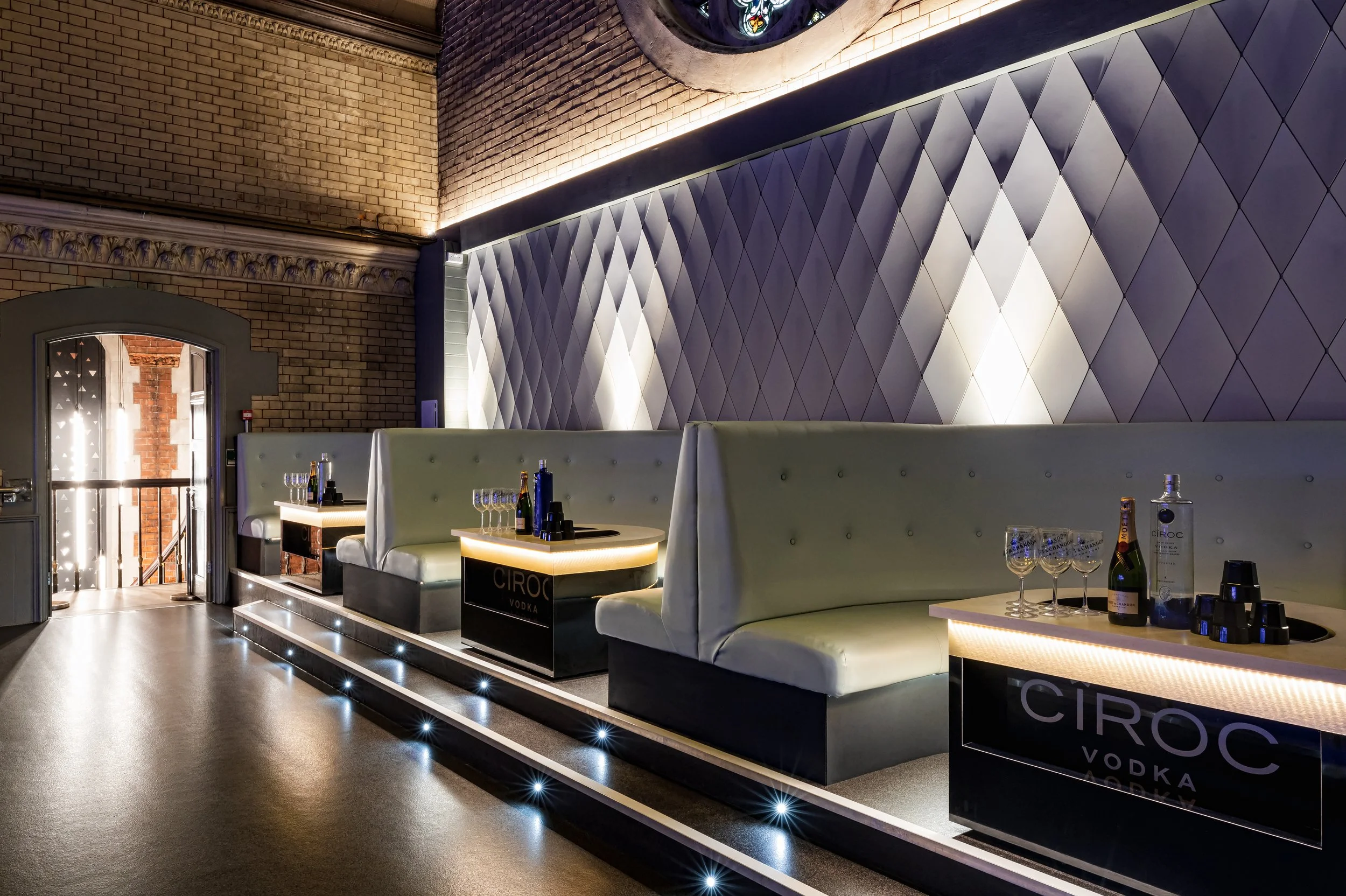
The customer experience factor
In the UK's increasingly competitive hospitality market, interior design has become a restaurant's unique selling point. Décor influences how customers perceive the brand, whether they return, and how much they're willing to spend, which makes it a silent but powerful sales tool. Haigh quality and satisfactory guest experiences result in positive reviews and recommendations. Happy guests are also more likely to spend money on additional services. The cornerstone of any good bar/restaurant design scheme is to constantly bring it back the customer: How do you want them to feel when they enter? Are they comfortable and relaxed when they are waiting for or sitting at their table? Do they get a strong sense of your company’s brand, and will they leave wanting to come back again?
Adam Ellis, whose studio curates the art collections across The Ivy Collection, has spoken about the effect of the design of their West Street restaurant on guests: “[when a customer walks in] there's a real sense of arrival. You're on show, there's interaction and animation, the dining room is illuminated by your presence for a moment." ResearchGate
Social media influence on bookings
Social media has completely changed the game for hospitality venues, and smart interior design is one of the best tools operators have to take advantage of it. In the era of the selfie, the impact of social media on a venue's popularity cannot be ignored. In the UK, 28% of customers rely on social media when researching where to eat, making visually striking, "Instagrammable" interiors a direct driver of footfall and new customer acquisition. top-5-restaurant-interior-design-trends-for-2025. Put simply, if your space looks great on a phone screen, people will come. A striking bar, a neon sign, an eye-catching tiled wall. These aren't just design choices, they're shareable moments that put your venue in front of thousands of potential new customers for free. And people are clearly willing to put their money where their feed is: 54% of Americans are willing to pay a premium for a dining experience that offers a unique vibe, and 58% will choose a restaurant they consider "TikTok-worthy" over a less aesthetic establishment (top-restaurant-design-trends.html). The takeaway? Great interior design isn't just about atmosphere anymore; it's one of the savviest marketing investments a venue can make.
Layout, lighting, a bar that stops people mid-scroll — every design decision is a chance to make your venue more memorable, more profitable, and more talked about. The research is clear: people stay longer, spend more, and come back when a space is designed with intention. In a market this competitive, great interior design isn't just about aesthetics. It shapes perception, drives loyalty, and turns first-time visitors into regulars. The venues that will thrive in 2026 and beyond aren't just the ones with the best menus — they're the ones that make every guest feel something the moment they walk through the door. That's the power of getting design right. And it's too valuable to leave to chance.
If you are interested in working with us on your next hospitality project, please get in touch.