
Designing With Purpose: How Interiors Are Becoming More Human In 2026
A Shift Beyond Aesthetics
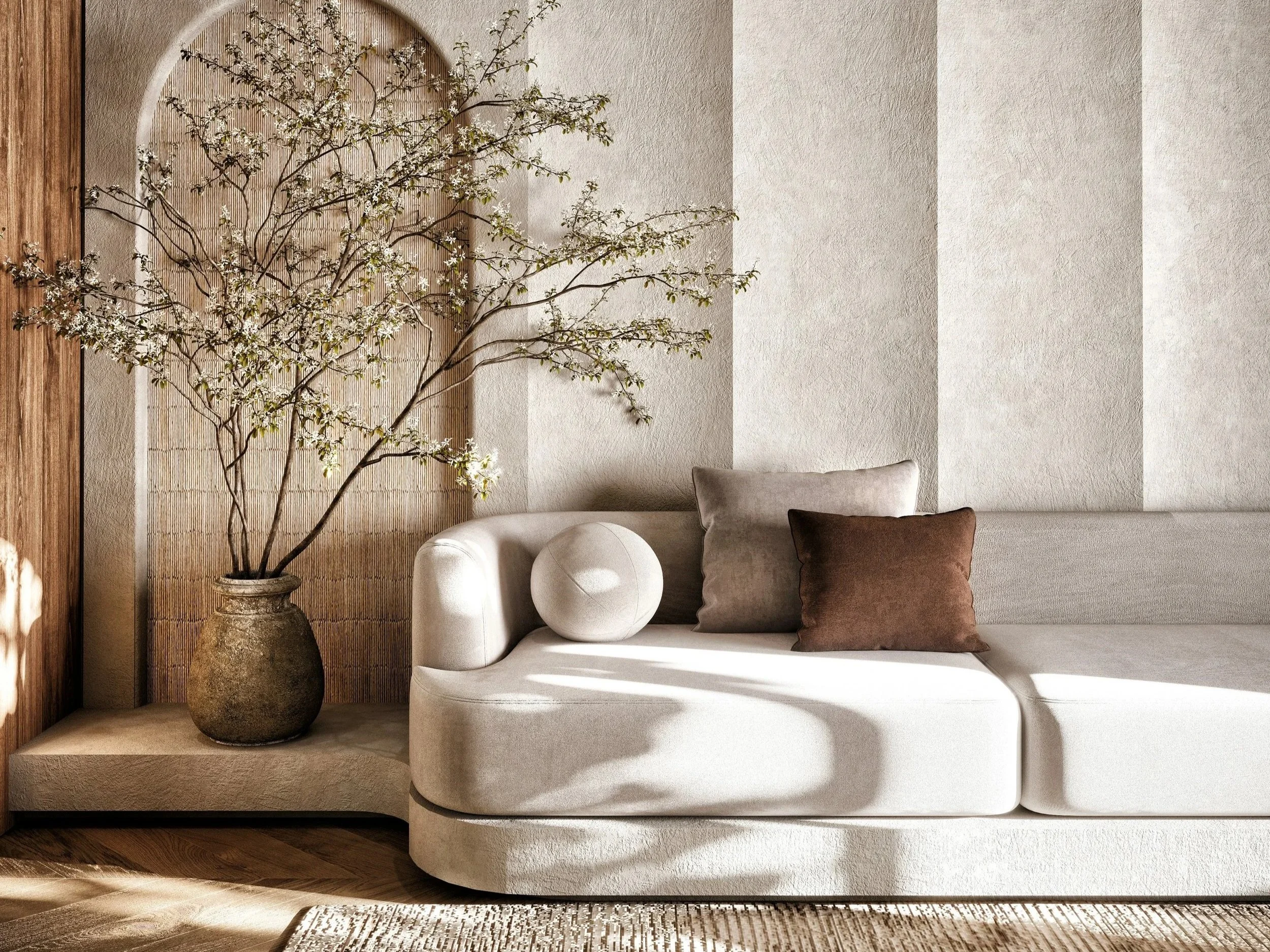
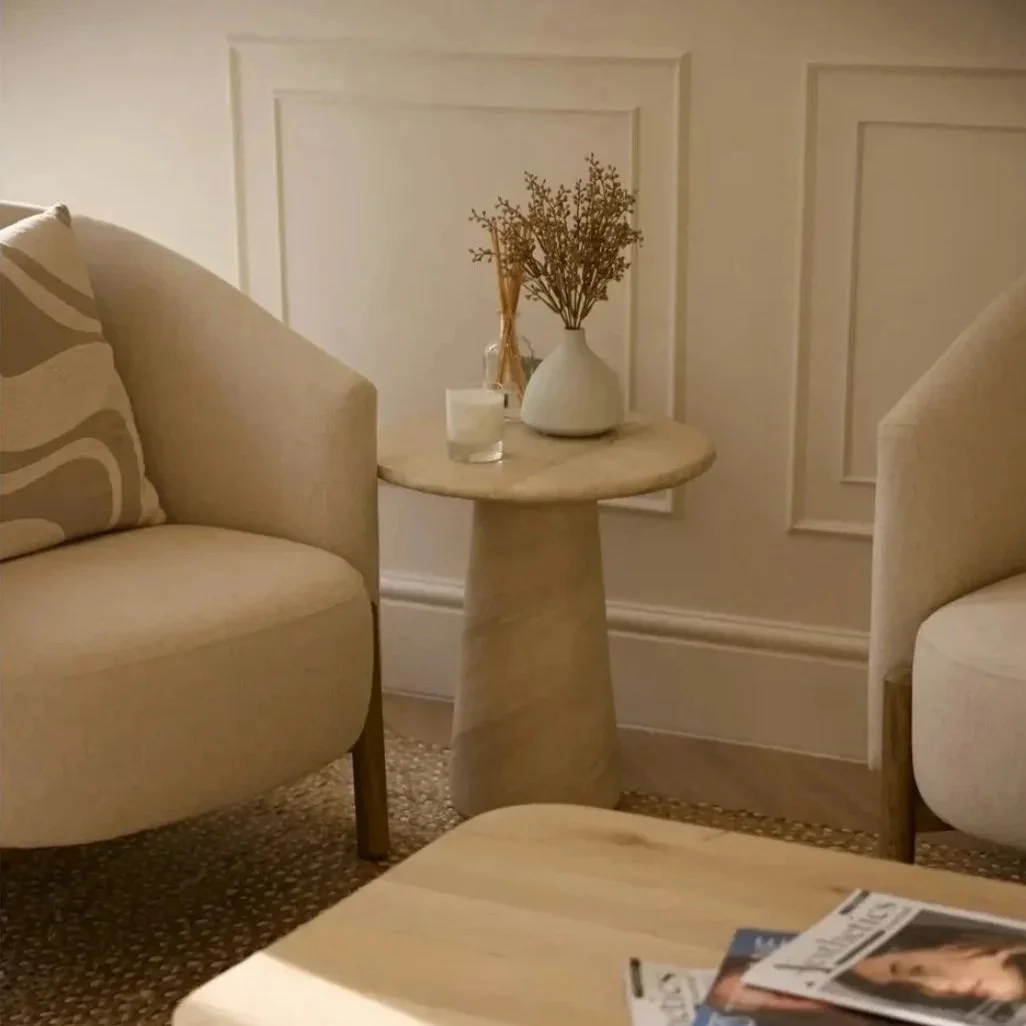
As we move into 2026, interior design is undergoing a quiet but powerful transformation. The focus is shifting away from purely visual statements and toward something far more meaningful making design that responds to people. Today’s interiors are no longer defined solely by style or trend. Instead, they are shaped by emotion, behaviour, wellbeing and inclusivity. At KTM Design, we see this as a natural evolution: spaces that look good should also feel right.
Human Centred Design At The Core
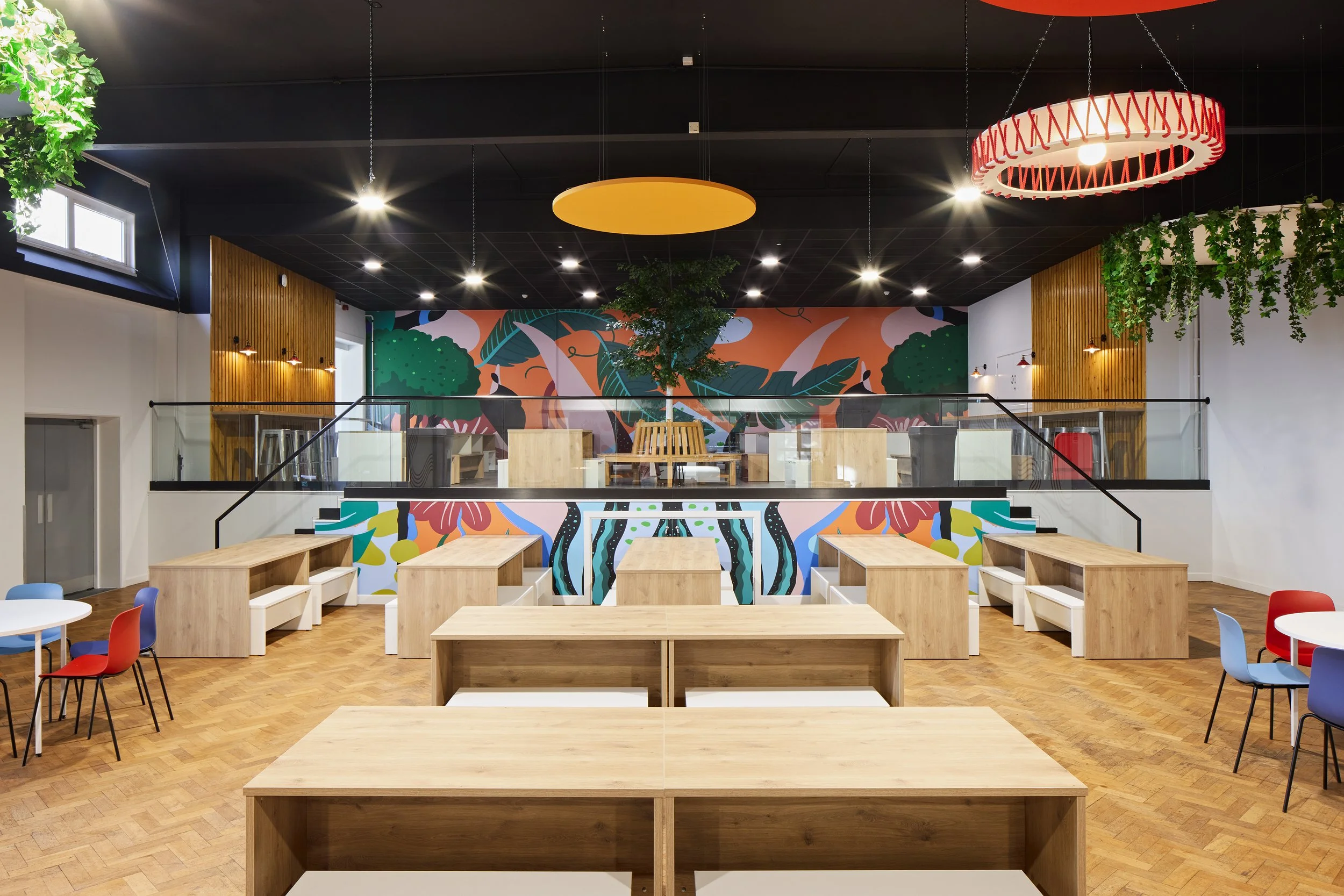
Human centred design places people at the heart of every decision. This means creating environments that support how spaces are actually used whether that’s for focus, connection, rest or creativity.
We’re seeing a growing emphasis on:
Flexible layouts that adapt to changing needs
Thoughtful circulation and intuitive needs
Design choices that respond to comfort, accessibility and usability.
Interiors are becoming less prescriptive and more responsive, evolving alongside the people who inhabit them
Neurodiversity And Inclusive Design
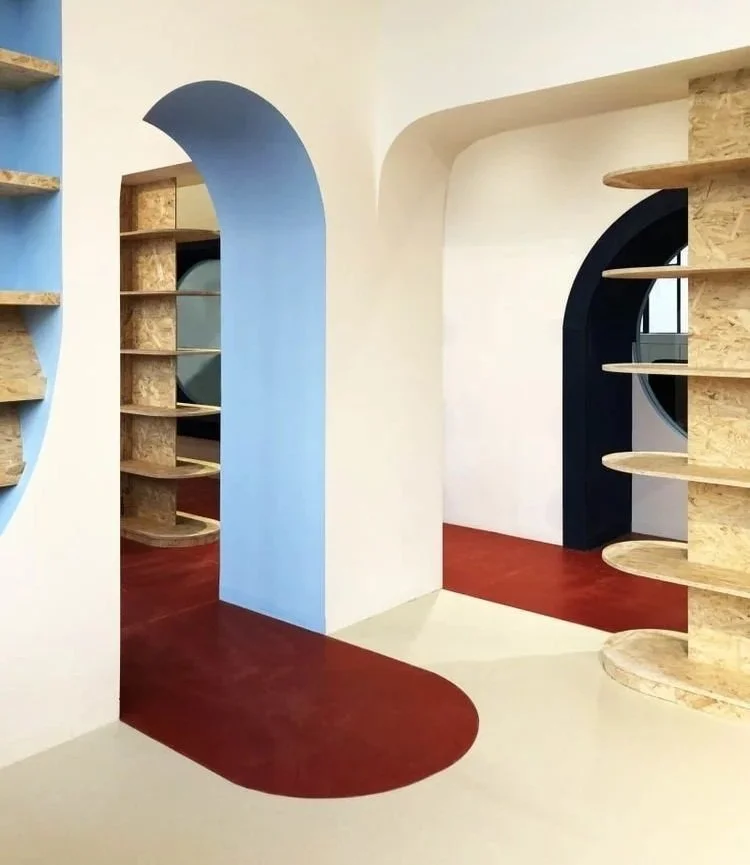
A more human approach to interiors also means acknowledging that people experience spaces differently. Designing with neurodiversity in mind is becoming an essential part of inclusive design practice.
This can include:
Clear zoning and wayfinding
Considered colour contrasts
Sensory aware material and lighting choices
Quiet spaces alongside more stimulating environments
By designing with inclusivity at the forefront, interiors become more welcoming not just for some, but for everyone.
Designing For Wellbeing And Sensory Balance
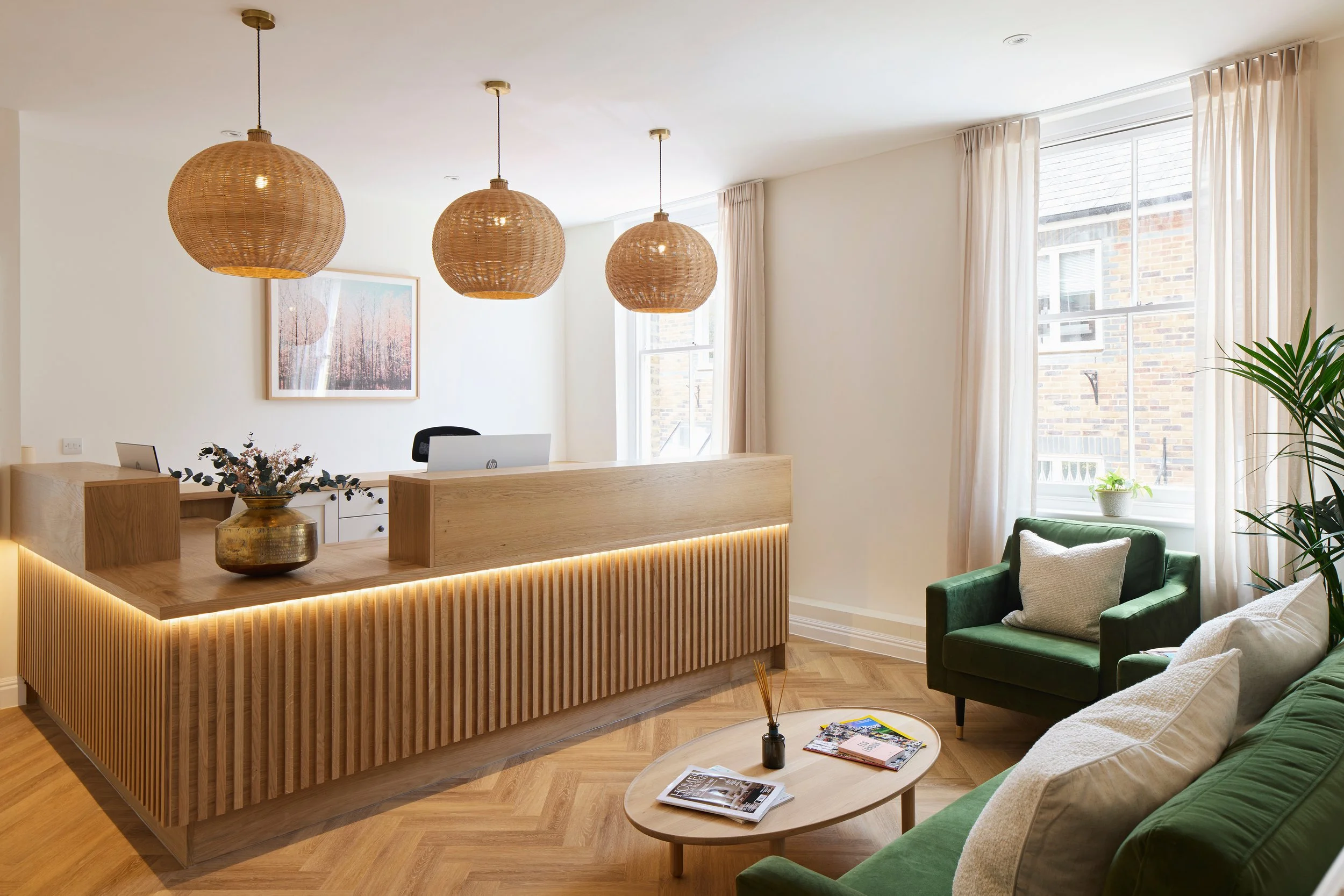
Wellbeing has become a fundamental design principle rather than an added benefit. From acoustics and lighting to texture and colour, designers are increasingly aware of how environments affect mood, energy and mental clarity.
In 2026, we’re seeing:
Softer material palettes that reduce visual noise
Textured surfaces that offer tactile comfort
Layered lighting that supports different activities throughout the day
These elements work together to create spaces that feel calm, balanced and restorative supporting both productivity and relaxation.
Material Honestly And Emotional Connection
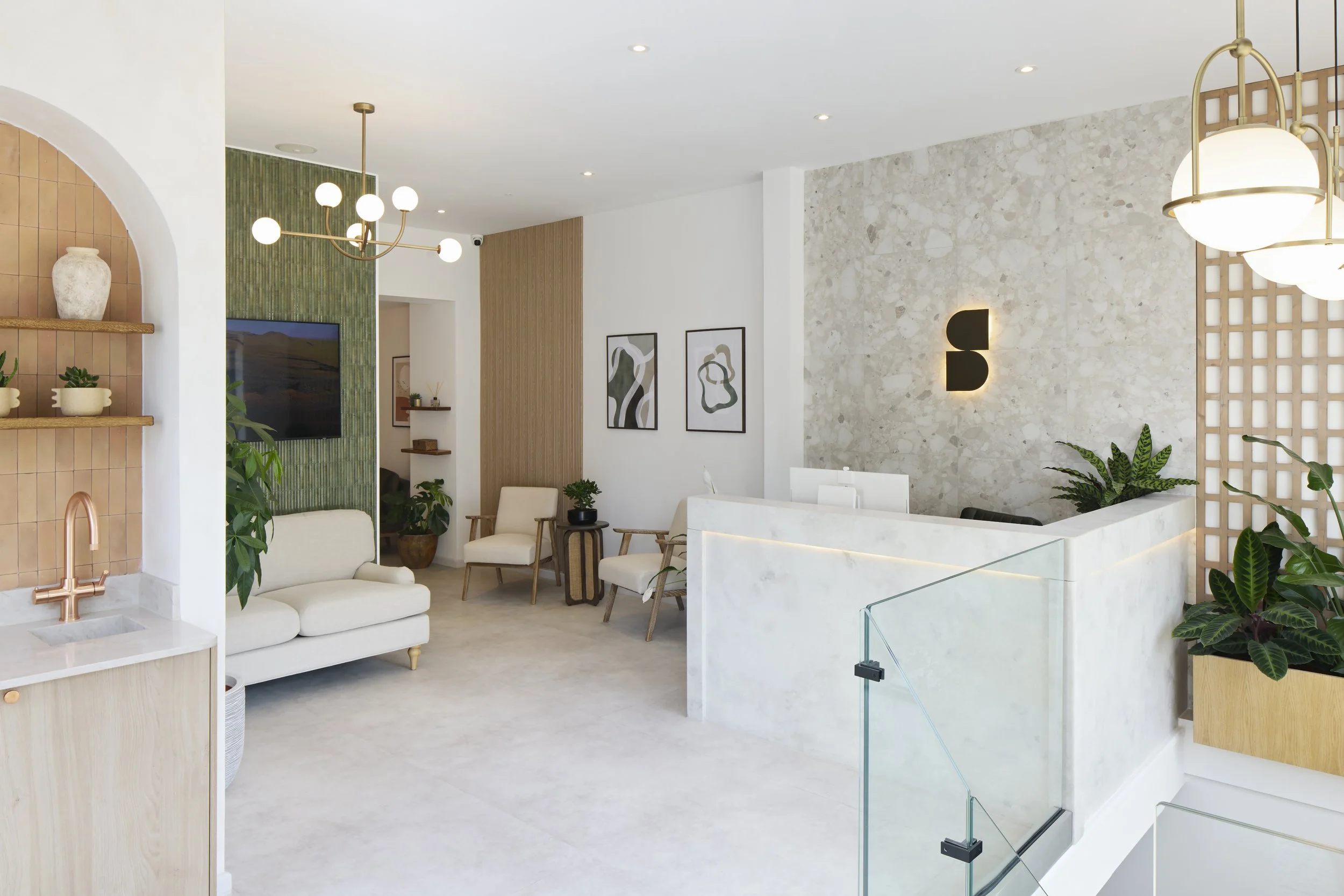
Purposeful design is deeply connected to materiality. There is a growing appreciation for honest materials those that age gracefully, carry character and tell a story. Natural stone, timber, clay, recycled finishes and tactile fabrics bring warmth and authenticity to interiors. These materials help create emotional connections, grounding spaces in something real and enduring.
The Role Of Community In Design
Human focused interiors are rarely created in insolation. Collaboration between designers, clients, makers and suppliers plays a crucial role in shaping spaces with purpose. At KTM Design, we believe that conversation fuels creativity. By sharing knowledge, listening to lived experiences and embracing diverse perspectives, design outcomes become richer, more thoughtful and more impactful.
Looking ahead
As we approach 2026, interiors are becoming more than environments to occupy they are places to belong. Designing with purpose means creating spaces that respond to real needs, support wellbeing and reflect the people who use them. This shift towards more human centred design marks as exciting future for the industry one where empathy, sustainability and creativity sit at the heart of every space.